An authoritative analysis of compliance standards, supply chain dynamics, and custom manufacturing intelligence for premium B2B buyers.
In the global toy sector, the B2B procurement of baby plush toys represents a complex intersection of sensory design, rigid material science, and safety regulations. Brands, retailers, and distributors seeking trusted Baby Plush Toys Manufacturers & Exporters are no longer just looking for a manufacturing floor. They require strategic partners capable of managing supply chains, executing complex compliance protocols, and offering design customization to stand out in saturated consumer markets. This whitepaper analyzes critical facets of plush toy sourcing, focusing on engineering paradigms, material safety, compliance certifications, and why Chinese manufacturers continue to lead this creative industry.
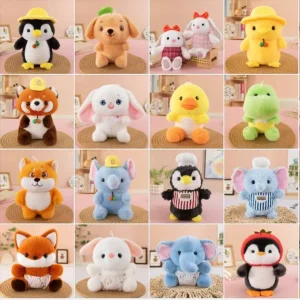
As a specialized player in this market, Chengdu Petto Toys Co., Ltd. represents a modern approach to the traditional plush production framework. Operating as an elite Plush Toy Manufacturer and trusted China supplier, Petto Toys focuses on product design, material development, and global logistics. The company's portfolio is built around safety, product durability, and sensory development for infants and toddlers.
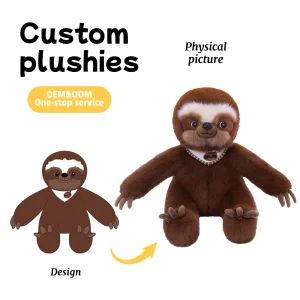
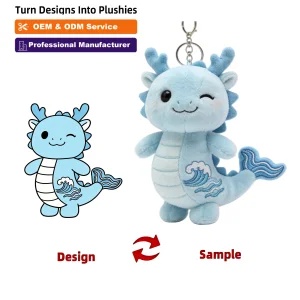
By bridging standard production with customization capabilities, the enterprise offers OEM and ODM services that adapt to current B2B requirements. This dynamic is critical for retailers who need to update inventories to match shifting seasonal trends without risking regulatory non-compliance.
Navigating ASTM F963, EN71, CPSIA, and CCPSA standards seamlessly through standard laboratory-vetted raw material supplies.
Developing hypoallergenic, bacteria-resistant, and organic fabrics that survive hot washing cycles without material degradation.
Taking concept sketches to final physical prototypes in under 10 days, followed by rapid safety assessment and mass scale-up.
China remains the primary hub for the manufacturing and export of plush products. The competitive edge is not driven solely by labor economics, but by vertical integration of the raw material supply chain. For B2B importers, the infrastructure offers specific advantages:
Safety is the primary metric for products targeting infants (ages 0-36 months). Regulatory bodies worldwide enforce strict testing criteria for baby toys. Sourcing without verifying these standards carries substantial commercial and legal risks.
| Region | Standard Code | Core Testing Focus | Mandatory Compliance Thresholds |
|---|---|---|---|
| United States | ASTM F963 / CPSIA | Flammability, small parts (choking hazard), lead & phthalates chemical content. | Lead limit < 90 ppm in paint/coatings; Phthalates < 0.1% for specified chemicals; physical pull tests > 15 lbs. |
| European Union | EN71 (Parts 1, 2, 3) | Mechanical/physical properties, flammability, migration of certain chemical elements. | Toxic substance screening (19 heavy metals limit); strictly zero small parts accessible under 30 Newton stress testing. |
| Global/Ecological | OEKO-TEX / GOTS | Bio-chemical safety of the outer fabric and inner stuffing fibers. | Zero presence of carcinogenic dyes, formaldehyde, or volatile organic compounds (VOCs). |
Consumer behavior in the post-pandemic era has evolved, driving changes in the design, packaging, and functionality of plush toys. B2B buyers must adapt to these trends to remain competitive.
Sustainable sourcing has transitioned from an optional selling point to a baseline retail requirement. R-PET (Recycled Polyethylene Terephthalate) fibers, sourced from post-consumer plastic bottles, are increasingly replacing virgin polyester stuffing. Utilizing RPET fabrics and plant-based stuffing reduces carbon footprints and aligns with global retail sustainability mandates.
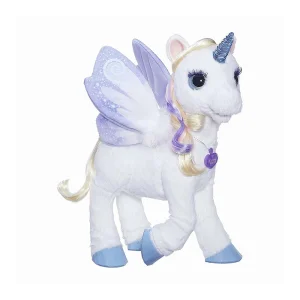
The integration of technology into early childhood toys is growing. Interactive toys like the OEM Singing Dancing Saxophone Cactus or Electric Plush Swing Toys combine soft mechanics with sound boards, recording units, and sensor-based movement to encourage infant physical coordination and auditory development.
Brands are increasingly co-developing custom characters rather than stocking generic plush models. Manufacturers must offer high-fidelity reproduction of digital designs, turning IP characters into physical plush form with precise color matching and specialized stitching techniques.
Global procurement directors manage tight launch timelines, volatile shipping rates, and fluctuating demand. A reliable plush toy manufacturer must address these challenges with structured B2B solutions:
A behind-the-scenes look at Chengdu Petto Toys Co., Ltd.'s facilities, highlighting material processing, embroidery precision, assembly, and compliance testing.
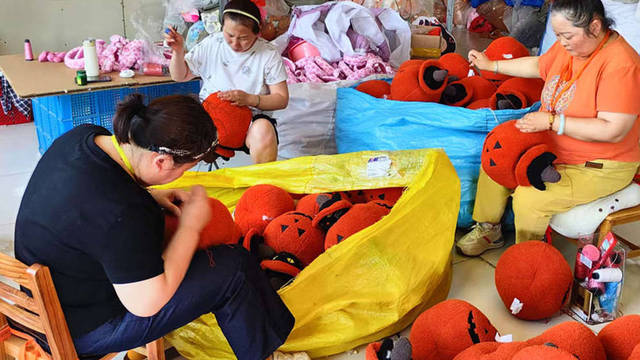
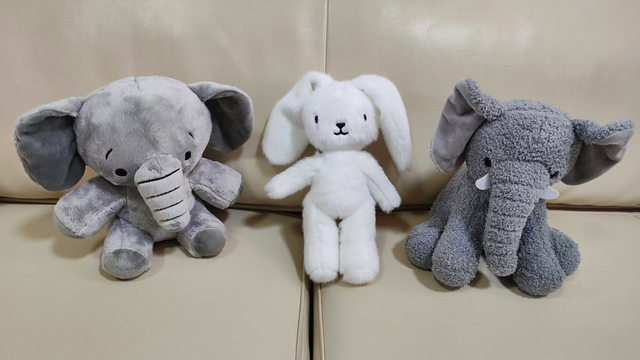
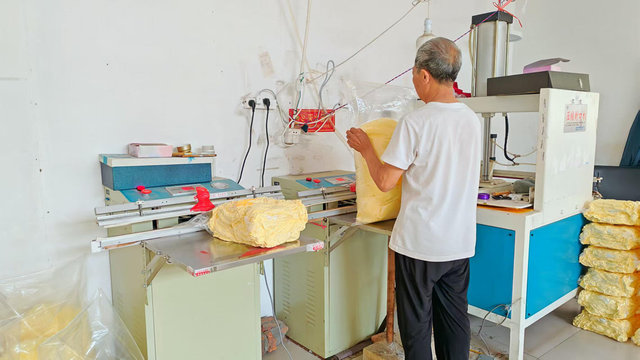
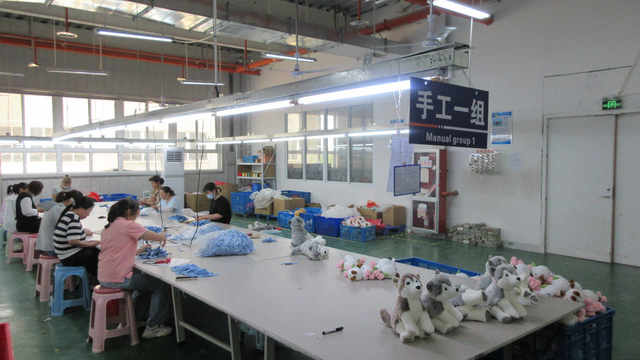
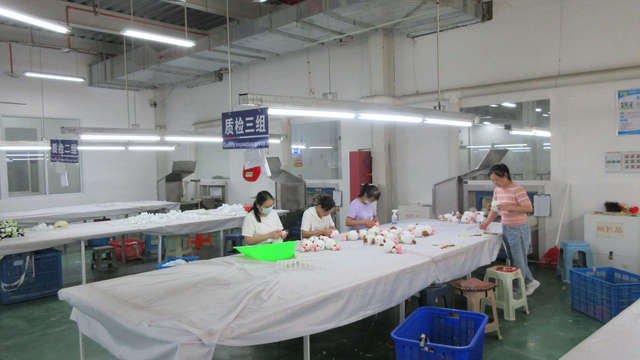
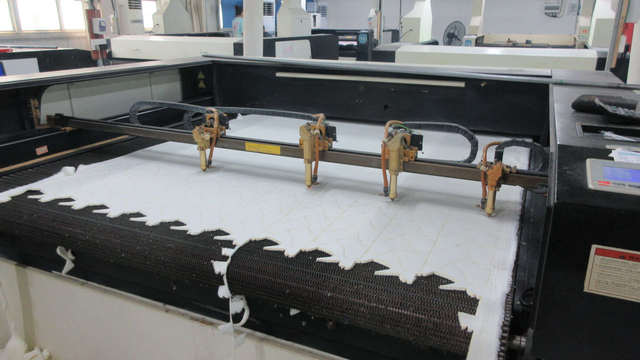
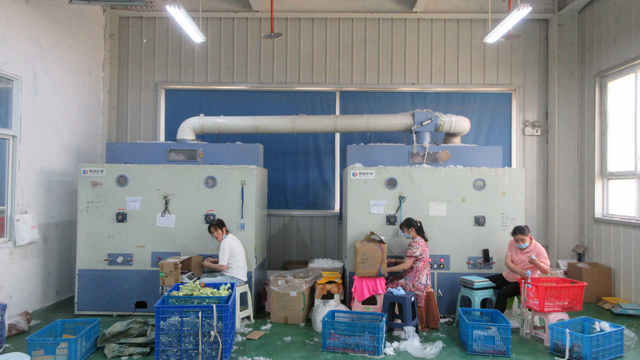
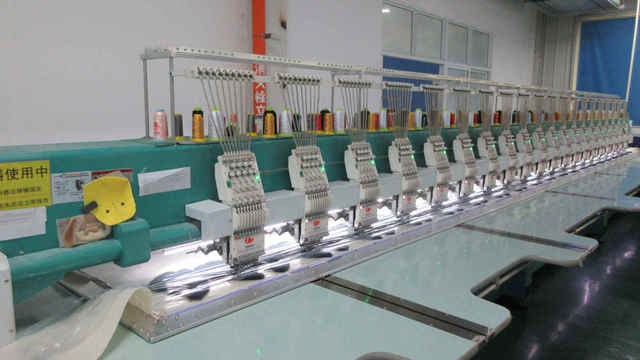
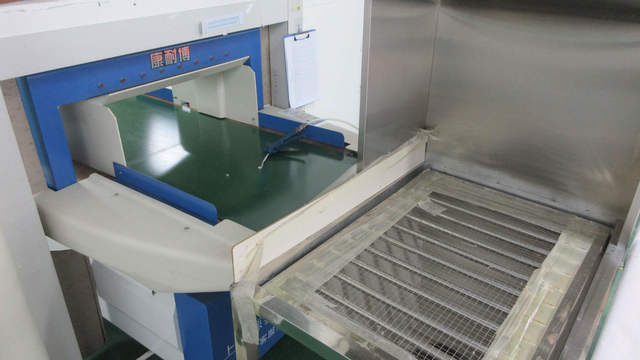
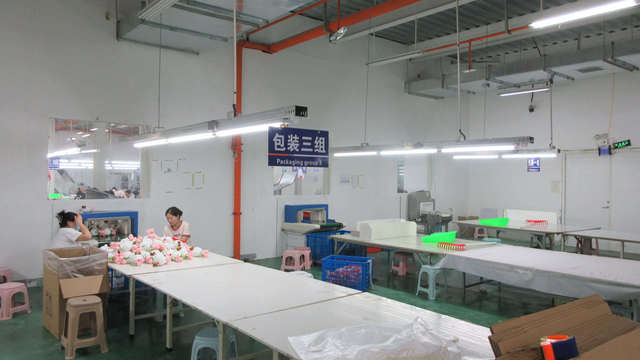
At Chengdu Petto Toys Co., Ltd., safety and quality are fundamental to the manufacturing philosophy. The production process begins with fabric sourcing. Suppliers must provide batch certificates showing their materials are free of heavy metals and sensitizing dyes.
Once materials enter the facility, they undergo computerized cutting to ensure consistent component size. Facial details are then added using automated embroidery machines, ensuring secure thread anchoring that eliminates loose fiber hazards. After assembly, every plush toy passes through an inline metal detection system to ensure no needle fragments remain in the stuffing.
Answers to key questions from global buyers regarding plush toy sourcing, safety compliance, and OEM services.
Generally, our Minimum Order Quantity (MOQ) starts at 500 to 1,000 units per design, depending on the complexity of the plush toy, material availability, and sizing. For pilot market testing, contact our sales department to discuss split-batch runs.
We maintain a strict quality control workflow. Every raw material batch is certified by independent third-party laboratories (SGS, Intertek, or BV) before entering production. After production, we perform mechanical pull tests, flammability audits, and metal detection on the finished goods.
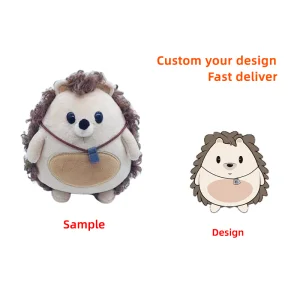
Yes. We specialize in comprehensive ODM/OEM services. Our design team can convert simple 2D illustrations, tech packs, or character renders into 3D plush prototypes, with fabric and texture recommendations provided along the way.
Prototyping takes 7 to 10 working days. Mass production is completed within 30 to 45 days after deposit confirmation and sample approval. Sea freight transit times vary by destination, typically taking 15 to 30 days.
Yes. We offer organic cotton (GOTS certified), bamboo-derived fabrics, and recycled polyester stuffing (R-PET) to help brands meet their sustainability goals.
 Petto Toys