Plush toys remain popular because they combine comfort, imagination, and personal meaning. A soft bear can sit beside a child during a difficult night. A small rabbit can become a trusted travel companion. These simple experiences help explain what makes plush toys suitable as gifts across many ages and occasions.
Dr. Stevanne Auerbach, a child development specialist and toy expert known as Dr. Toy, says, “Toys are children’s words, and play is their language.” Her observation reflects the emotional role plush toys can play. They invite storytelling, quiet reassurance, and open-ended play. They can also represent friendship when chosen thoughtfully.
This guide presents seven practical tips for selecting a suitable plush gift. Consider the recipient’s age, interests, room style, and sensory preferences. Check the toy’s materials, stitching, washable design, and recommended age range. Safety labels matter, especially for infants and toddlers. Size matters too. A giant plush toy may delight one child, yet overwhelm another.
Personalization often creates stronger memories. A favorite animal, color, character, or embroidered message can make the gift feel intentional. However, no plush toy suits everyone. Some people dislike fuzzy textures, while others prefer useful or experience-based gifts. That limitation deserves attention.
The best choice is not always the most expensive one. It is usually the toy that feels comfortable, durable, and emotionally relevant. A slightly imperfect selection can still succeed when it reflects genuine observation. These tips will help readers choose with more confidence, care, and practical judgment.
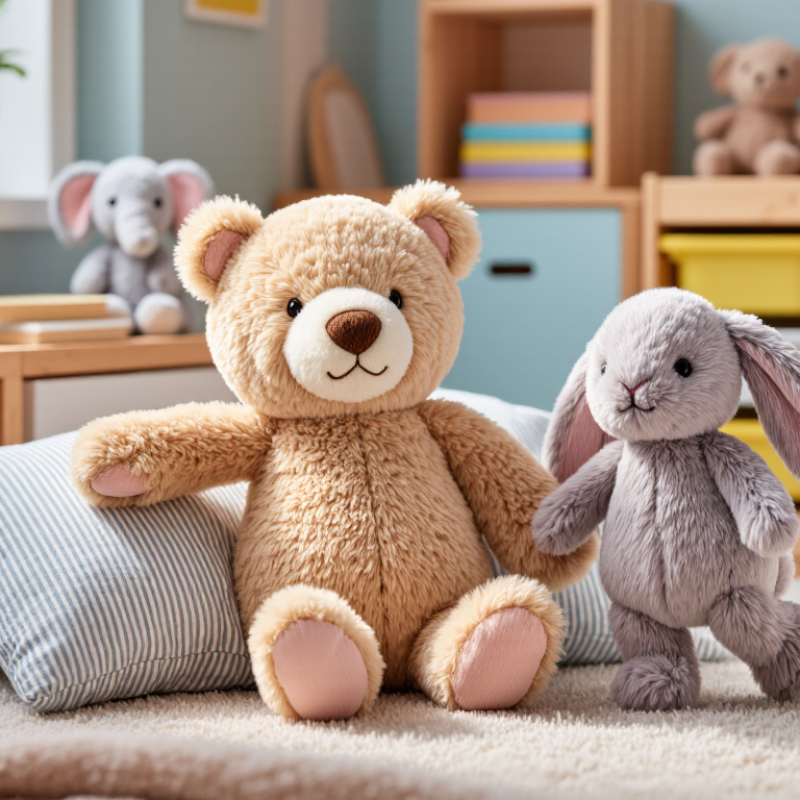
Plush toys are distinctive gifts because they combine comfort, personality, and lasting emotional value. Unlike many objects, they invite touch and often become part of daily routines. A soft animal may sit beside a child during bedtime, travel, or a difficult afternoon. That quiet presence can make a gift feel personal without requiring expensive materials.
Their appeal comes from several practical qualities. They are easy to personalize through color, shape, size, or a small embroidered detail. They can represent a favorite animal, a family memory, or an inside joke. Many recipients also appreciate their sensory comfort, especially when the fabric feels smooth and the filling keeps its shape. Soft gifts are easy to display. They also photograph well. A well-chosen plush toy can suit birthdays, seasonal celebrations, recovery moments, or simple acts of encouragement.
Selection still requires judgment. Check stitching, fabric quality, washable care instructions, and age guidance before buying. Loose parts may create risks for very young children. Keep it washable. Personal preference matters more than trends. I have seen beautifully designed toys remain untouched because their texture felt unpleasant. That is an easy detail to miss. For older recipients, a small, understated plush may feel more thoughtful than an oversized one. The best choice reflects the person’s habits, sensitivities, and sense of humor, not only the giver’s excitement.
A plush toy can become more than a soft object. It may hold a child’s worries during a storm, a student’s homesickness in a dorm room, or an adult’s quiet need for reassurance. In my experience, people often choose one because its texture feels familiar. Soft fabric, stitched eyes, and a gentle shape can create a sense of safety without demanding conversation. That silent comfort matters.
Seven qualities make plush toys meaningful gifts. Their softness encourages calming touch. Their friendly faces support emotional expression. Their size makes them easy to carry. Their familiar presence can ease bedtime changes. They can mark a birthday, recovery, or long-distance relationship. Personal colors or animal shapes may reflect someone’s interests. A handwritten note can deepen the connection. Small gestures matter.
Experts in child development often emphasize predictable routines and responsive relationships. A plush toy can support those routines, but it cannot replace attentive care or professional help. Adults should select age-appropriate designs, secure stitching, and washable materials. Some toys may collect dust, so regular cleaning is sensible. I once assumed the most expensive toy would feel most special. I was wrong. The well-loved toy with a slightly uneven ear became the favorite. That detail reminded me that emotional value grows through shared moments, not perfect construction.
| No. | Gift-Giving Tip | How It Creates Comfort | How It Builds Emotional Connection | Suitable Gift Moment | Practical Selection Advice |
|---|---|---|---|---|---|
| 1 | Choose a soft, tactile texture | Soft textures can provide a familiar sensory experience that may help a person feel calmer during rest or stressful moments. | The giver demonstrates awareness of the recipient’s comfort preferences, making the gift feel personal rather than generic. | Birthdays, recovery periods, stressful transitions | Select a washable fabric with secure stitching and avoid rough seams, loose threads, or detachable decorations. |
| 2 | Match the toy to the recipient’s personality | A familiar animal, color, shape, or character type can make the object easier to accept and use regularly. | Personalization communicates attention, memory, and affection—three qualities that strengthen the meaning of a gift. | Close relationships, celebrations, encouragement gifts | Base the choice on known interests instead of relying only on age or appearance. |
| 3 | Give it as a consistent comfort object | A repeated bedtime or travel routine can make a familiar plush toy part of a predictable calming environment. | Repeated use can associate the gift with supportive people, safe routines, and positive memories. | Moving home, school changes, travel, bedtime routines | Choose a practical size that can be carried easily and provide a washable care option when possible. |
| 4 | Add a personal message | Written words can provide reassurance when the giver is not physically present. | A note turns an ordinary object into a reminder of a specific relationship, event, or promise of support. | Long-distance relationships, care packages, difficult days | Write a short, sincere message focused on encouragement, gratitude, or a shared memory. |
| 5 | Use it to support imaginative play | For children, pretend play can offer a safe way to explore feelings, routines, social roles, and everyday experiences. | Shared play gives caregivers and children opportunities to communicate and create memories together. | Early childhood, learning milestones, family bonding | Choose an age-appropriate design and invite open-ended play without requiring one “correct” storyline. |
| 6 | Select a safe and easy-to-care-for design | A clean, durable toy is more likely to remain available as a dependable comfort item. | Careful safety choices show responsibility and respect for the recipient’s everyday well-being. | Gifts for infants, young children, hospitals, and travel | Check age guidance, avoid small detachable parts for young children, and follow the washing instructions. |
| 7 | Create a memory around the gift | The emotional value of an object can increase when it is connected with a meaningful event or supportive interaction. | Over time, the toy may become a visible reminder of shared experiences and emotional support. | First visits, holidays, anniversaries, welcome-home moments | Present it during a meaningful activity, take a photograph, or pair it with a small tradition. |
| Evidence note: Plush toys can support comfort, symbolic meaning, imaginative play, and relationship rituals, but their emotional effect varies by age, personality, context, and individual preference. Safety decisions should follow current product labeling and applicable toy-safety guidance. Concepts informed by attachment and transitional-object literature, including Bowlby’s attachment theory and Winnicott’s work on transitional objects. | |||||
7 Tips Why Plush Toys Are Perfect Gifts?
Choosing Plush Toys for Different Ages and Personalities
Tip 1: Check the child’s age before choosing a plush toy. For babies, select soft toys with embroidered features and no loose parts. Avoid long ribbons, small accessories, or detachable eyes. A washable toy is especially practical after spills.
Tip 2: Match the toy to daily routines. A small, lightweight animal fits easily into a stroller or travel bag. Older children may prefer a larger toy for imaginative play. Tip 3: Notice texture preferences. Some children enjoy fluffy fabric, while others dislike overly fuzzy surfaces. Smooth cotton-like materials may suit sensitive users better. Test the texture when possible.
Tip 4: Follow the personality, not only the age. A shy child might appreciate a quiet, comforting bear. An energetic child may enjoy a playful dinosaur or colorful creature. Tip 5: Consider hobbies and stories. A child who loves nature may connect with a fox, whale, or woodland animal. Tip 6: For teenagers, choose simple designs with softer colors and useful sizes. They may prefer subtle comfort rather than childish details.
Tip 7: Think about care and durability. Look for secure stitching, clear washing instructions, and fabric that keeps its shape. I once chose a beautiful plush toy that became flat after one wash. That mistake still matters. Personal taste can change, too. A thoughtful choice leaves room for that.
7 Tips Why Plush Toys Are Perfect Gifts?
Tip 1: Match the occasion, not only the recipient’s age. A soft rabbit suits a baby shower, while a larger animal may fit a birthday surprise. For younger children, check the stitching, fabric, and care label carefully. Avoid loose parts. From my experience, washable materials are much easier for busy families. I once chose a beautiful toy with delicate fabric. It looked lovely, but cleaning it became difficult.
Tip 2: Follow a genuine interest. A child who loves ocean animals may enjoy a whale with textured fins. A nature enthusiast might prefer a fox in earthy colors. Small details matter, such as embroidered eyes or a little fabric leaf. They make the gift feel considered. Guessing can fail, though. Ask a parent, observe recent drawings, or notice favorite bedtime stories before choosing.
Tip 3: Connect the toy with a shared memory. A plush bear can recall a camping trip, a seaside holiday, or a beloved family pet. Add a short note describing the moment. The message may become more important than the toy itself. For long-term use, choose durable seams and stuffing that keeps its shape. Check the toy regularly, especially after frequent washing, because even well-made gifts can wear unexpectedly.
A good plush toy should feel soft, secure, and thoughtfully made. Check the age guidance before choosing one. Inspect seams, eyes, noses, and small decorative parts for loose attachments. Pull gently at the stitching. It should not open easily. Choose materials with clear care instructions and relevant safety-testing information. A mild smell may fade, but a strong chemical odor deserves caution.
Quality appears in the details. Dense stitching, even filling, and washable fabric help a toy survive daily hugs. Look for reinforced seams around the arms and ears, where children often pull. Avoid designs that shed fibers after light rubbing. I have learned that attractive packaging can hide average construction. The toy itself matters more.
Long-term appeal is less predictable. Simple faces and comforting textures often remain loved longer than noisy features. A plush toy can support pretend play, bedtime routines, and emotional comfort. Select a size that fits small hands and storage spaces. Consider whether the child can wash it easily after spills. I sometimes overlook maintenance when a toy looks charming. That is a mistake worth reconsidering. A durable, safe toy may become part of family memories, not just a short-lived surprise.
They combine softness, personality, and emotional meaning. A toy may sit beside someone during bedtime or a difficult afternoon. That quiet presence can feel deeply personal.
Choose a meaningful color, animal, size, or embroidered detail. A small fabric leaf or stitched feature can suggest a shared memory. Personal touches matter.
Match the toy with the occasion and the recipient’s preferences. A soft rabbit may suit a baby shower. A larger animal may fit a birthday surprise. Size is not everything.
Follow genuine interests, such as ocean animals, forests, or favorite stories. A whale with textured fins could suit an ocean-loving child. Earthy colors may appeal to a nature enthusiast. Guessing can fail.
Connect it with a camping trip, seaside holiday, or family pet. Include a short note describing that moment. The message may outlast the toy’s novelty.
Check stitching, fabric, care instructions, and age guidance before buying. Avoid loose parts for very young children. Embroidered features are often simpler than detachable pieces. Inspect it regularly.
Washable fabric helps busy families manage spills, dust, and frequent use. Follow the care label carefully. A delicate toy may look beautiful but become difficult to clean. I learned that the hard way.
Consider the recipient’s habits, sensitivities, humor, and available space. A small, understated toy may suit an older recipient better. Smooth fabric and stable filling can improve daily comfort. Trends can mislead.
Plush toys are thoughtful gifts because they combine softness, charm, and emotional meaning in one memorable item. What makes plush toys suitable as gifts is their ability to offer comfort, encourage emotional connection, and express care without requiring words. Their friendly shapes, textures, and playful designs can bring warmth to children, teenagers, and adults alike. When choosing one, consider the recipient’s age, personality, favorite animals, colors, hobbies, and preferred style so the gift feels personal rather than ordinary.
Plush toys can also match many occasions, including birthdays, holidays, celebrations, milestones, and moments when someone needs encouragement. A design connected to a special interest or shared memory can make the gift even more meaningful. Before purchasing, evaluate the toy’s materials, stitching, cleanliness, durability, and age suitability, especially for young children. A well-made plush toy can remain appealing for years, becoming a comforting companion, a keepsake, or a lasting reminder of a thoughtful relationship.

Petto Toys