7 Best Reasons Why Plush Toys Are So Popular?

Time:2026-11-03 Author:Sienna
0%

Why are plush toys so popular? The answer is not just their soft fur or cheerful faces. A small bear tucked beside a pillow can comfort a child at bedtime, while a character plush clipped to a backpack can signal a favorite story or game. These toys are easy to hold, display, gift, and include in imaginative play. Their appeal spans ages, though the reasons differ from one person to another.

Child-development expert D. W. Winnicott described a transitional object as a child’s “first not-me possession.” His work helps explain why a familiar toy can feel meaningful during moments of change or separation; it does not explain every purchase or every fan’s attachment. Soft. Familiar. Close at hand. For some people, collecting brings its own pleasure: choosing a plush, arranging it on a shelf, and noticing the stitching or tiny embroidered smile. For others, the value is simpler—a comforting shape within reach on a difficult day.

This introduction explores seven reasons behind plush toys’ lasting popularity, including comfort, imaginative play, personal expression, and gift appeal. It also leaves room for a less tidy truth: a toy’s popularity does not mean everyone finds it comforting, or that one explanation fits all. Looking closely at how people use and choose plush toys offers a more grounded answer to why they continue to matter.
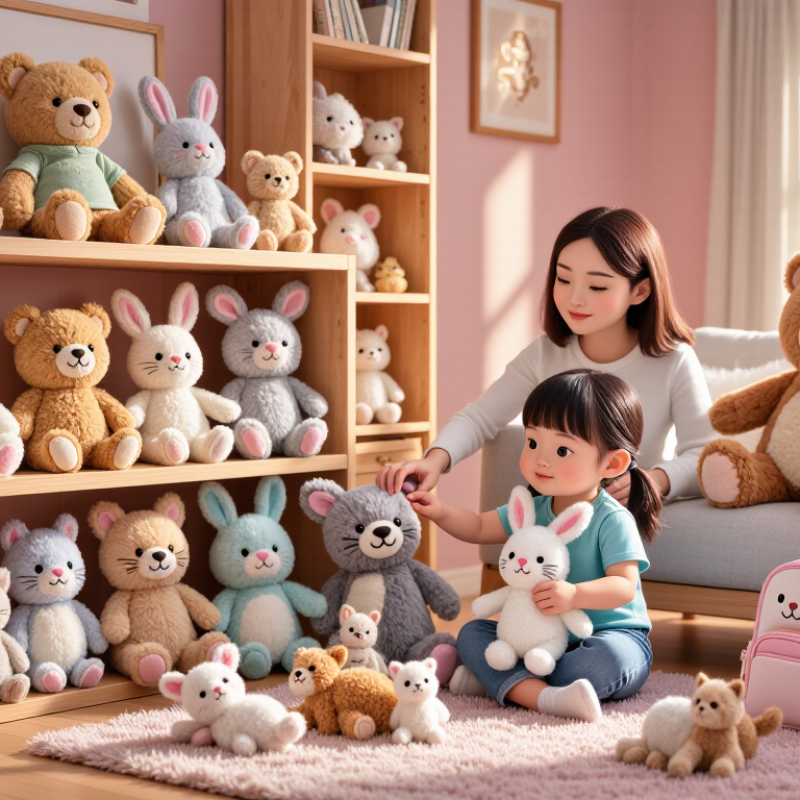
7 Best Reasons Why Plush Toys Are So Popular?

Emotional Comfort and a Sense of Security

A plush toy can make an unfamiliar room feel less strange, especially at bedtime. Its soft fabric, familiar shape, and gentle weight can become a small comfort cue. A child might hold it while rain taps the window or after a noisy, tiring day. Small rituals matter. Repeated cues can make routines feel more predictable, though comfort varies from person to person. The toy does not erase fear.

Adults may find reassurance in plush toys, too. A worn ear or flattened paw can hold memories of a person, place, or difficult season. Touching a familiar object may offer a quiet pause when the day feels overwhelming. That is not a medical treatment, and a toy should not be presented as a cure. Still, an ordinary object can feel reassuring. It is easy to assume everyone finds this comforting, but some people simply do not.

Caregivers can let children choose a toy that feels pleasant to hold and easy to keep clean. Check seams and small parts regularly, especially if the toy gets heavy use. For infants, follow current safe-sleep guidance and keep soft objects out of the sleep space. A plush toy can support a sense of security, but it works best alongside attentive care and comforting routines. And sometimes, it stays untouched.

Soft Textures and Sensory Appeal

Softness is often the first feature people notice in a plush toy. Short, velvety fibers feel smooth under a palm, while longer pile brushes the fingertips differently. A stitched ear or embroidered detail adds another texture to explore. These small contrasts can make a toy feel more engaging than its shape alone suggests. Texture matters.

Touch can also make a familiar object feel reassuring. Someone might squeeze a plush toy during a quiet moment and notice its gentle resistance, then smooth the fabric with a thumb. The experience is simple, but sensory appeal varies from person to person. Some people enjoy dense, silky fabric; others prefer a lighter, less fuzzy surface. There is no single texture that suits everyone.

It is tempting to say softness explains the popularity of plush toys, but that answer feels incomplete. Fabric quality, construction, and personal associations matter too. A toy with uneven seams or scratchy patches may disappoint, even if it looks inviting. And softness should not be treated as a guaranteed source of comfort; people respond differently. That caveat is easy to overlook. A well-made plush toy often succeeds through a combination of pleasant touch and details that invite repeated handling.

Imaginative Play and Social Development

A plush toy can become a patient shopkeeper, a nervous passenger, or a friend waiting beside a pillow. Children often give it a voice and decide what happens next. These small stories let them try out ideas without needing a script. “You can sit here.” A simple line can open a whole scene.

During pretend play, children may practice sharing, listening, and noticing how another character feels. A child might tuck in a toy after a fall, then explain what would make it feel better. That is not proof of a particular skill, but it offers a useful moment for conversation. Adults can follow the child’s lead: “What does your bear need?” Avoid correcting every detail. The toy may be a dragon today, and a sleepy carrot tomorrow.

Play can also create low-pressure chances to rehearse social situations, such as taking turns or welcoming someone new. A caregiver might watch two toys disagree, then ask how they could solve the problem. Keep it gentle; children do not always want an adult to join in. Sometimes they repeat the same scene for days. It can look dull from the doorway, but the repetition may be part of how they shape the story.

Personalization, Collectibility, and Gift-Giving

Personalization, Collectibility, and Gift-Giving

A plush toy can feel personal before it is even unwrapped. A stitched name, a chosen color, or a tiny accessory can make a familiar shape feel made for one person. These details also give gift-givers a practical way to show thought without guessing at complicated tastes. Small details count. Still, customization is not magic: a name sewn on poorly or fabric that feels scratchy can weaken the charm.

Collectibility adds another reason people return to plush toys. Different expressions, outfits, and sizes invite arranging them on a shelf or swapping favorites with friends. Grand View Research estimated the global stuffed animal and plush toy market at US$11.92 billion in 2023, projecting 6.9% annual growth from 2024 to 2030. That industry estimate signals a sizable market, but it does not tell us why each buyer chooses a toy. For many, the appeal may be less about owning every version and more about finding one that marks a moment: a graduation, a long trip, or a quiet birthday. A little sentimental. And sometimes impractical—collectors can run out of shelf space.

7 Best Reasons Why Plush Toys Are So Popular: Personalization, Collectibility, and Gift-Giving

No. Reason What Drives Their Appeal Value for the Owner Common Context
1 Comfort and a Sense of Security Soft textures and familiar shapes can make plush toys pleasant to hold and easy to keep nearby. Offers tactile comfort and a familiar companion, especially during rest or quiet time. Bedtime, travel, or relaxing at home
2 Personalization A toy can feel more personal when chosen for its animal, color, outfit, size, or connection to a recipient’s interests. Helps the owner express preferences and form a stronger attachment to a particular toy. Personal keepsakes and customized gifts
3 Collectibility Different characters, designs, sizes, and seasonal styles encourage people to build themed collections. Makes collecting an ongoing hobby involving discovery, display, and organization. Hobbies, themed displays, or special releases
4 Easy Gift-Giving Plush toys are familiar, available in many styles, and suitable for a wide range of ages and occasions. Provides a tangible, approachable gift that can communicate warmth or affection. Birthdays, holidays, celebrations, or encouragement
5 Emotional Connection People may associate a toy with a person, memory, story, or meaningful period in their lives. Can serve as a sentimental keepsake and a reminder of a valued relationship or experience. Childhood memories, milestones, or long-distance relationships
6 Play and Imagination Plush characters can become part of pretend play, storytelling, and make-believe scenarios. Offers an open-ended play companion that can support creative role-play. Playtime, storytelling, or imaginative games
7 Decorative Appeal A plush toy’s colors, shape, and character can add a playful or cozy detail to a room. Combines a soft companion with a personal decorative item for shelves, beds, or desks. Bedroom, nursery, or workspace décor

Pop Culture Influence and Everyday Accessibility

Pop culture helps plush toys turn familiar characters into objects people can hold. A character from a film, game, or animated series may move from a screen to a bedroom shelf, where its soft shape becomes part of everyday life. Licensing International’s 2024 Global Licensing Industry Study estimated global licensed merchandise and services sales at $356.5 billion in 2023. Entertainment and character properties contributed $147.8 billion. These figures cover many product types, not plush toys alone, but they show how widely character culture travels. A small plush can make that culture feel personal.

Everyday access matters, too. A palm-sized toy fits beside a laptop, on a bedside table, or inside a backpack. No charging required. Plush toys are also available in many sizes and price ranges, though access varies by location and household budget. Seeing one in a shop or online can make an impulse purchase easy, but visibility does not prove everyone can afford it. There is a blind spot here: pop culture may spark interest, while comfort often depends on quieter details, such as fabric softness, stitching, and whether the toy feels right to hold.

Why Plush Toys Stay Popular: A Growing Global Market

Pop-culture visibility and everyday accessibility may help sustain interest in plush toys. Market growth shows rising demand, but does not measure the impact of any single reason.

Market value (USD billions). 2022 is an estimate; 2030 is a forecast. Source: published market research estimate.

FAQS

How can a plush toy help a child in an unfamiliar room?

Its familiar shape and gentle weight may make bedtime feel less strange. A child might hold it while rain taps the window. It cannot erase fear, though.

Can adults find comfort in plush toys?

Yes. A worn ear or flattened paw may bring back memories of a person or place. Touching it can offer a quiet pause, but it is not a treatment.

What textures might people enjoy?

Short, velvety fibers feel smooth, while longer pile brushes the fingertips. Some prefer dense fabric; others like a lighter surface. Texture is personal.

How can plush toys support imaginative play?

Children may turn one into a shopkeeper, passenger, or friend beside a pillow. They can invent the story as they go. No script needed.

Can pretend play encourage social practice?

Children may use toy characters to explore sharing, listening, or taking turns. A caregiver could ask, “What does your bear need?” Let the child lead.

Should caregivers join every pretend-play scene?

No. Some children want to play alone, and repeated scenes may matter to them. Watching the same story again can feel dull from the doorway.

What should caregivers check on a well-used plush toy?

Look over seams and small parts regularly, especially after heavy use. Scratchy patches or uneven seams may disappoint. A quick check is easy to forget.

Is a plush toy safe in an infant’s sleep space?

Follow current safe-sleep guidance and keep soft objects out of an infant’s sleep space. For older children, comforting routines and attentive care still matter. A toy alone is not enough.

Conclusion

Plush toys are popular because they offer more than decoration: they can provide comfort, encourage creativity, and make thoughtful companions at many stages of life. Their soft textures invite touch and can create a calming sensory experience, while familiar shapes and gentle expressions may help people feel secure during quiet moments or changes in routine. For children, plush toys can also become characters in imaginative games, giving them a playful way to practice storytelling, communication, and empathy.

Another part of why are plush toys so popular is the many ways people can make them personal. Different colors, sizes, and designs appeal to individual tastes, and collecting them can turn a simple hobby into a source of enjoyment. They are also easy to give as gifts because they suit many occasions and can express warmth without needing complicated words. Pop culture and everyday availability keep new styles in view, while their familiar, approachable appeal helps plush toys remain meaningful companions.

Sienna

Sienna

Sienna is a skilled marketing professional with a deep expertise in our company’s core products and services. With a passion for innovation and detail, she plays a pivotal role in crafting insightful blog posts that not only highlight the unique features of our offerings but also provide valuable......