Choosing safe plush toys for babies is a significant decision for parents. With so many options available, it can feel overwhelming. Safety is always a top priority. Plush toys should be free from harmful materials and designed to withstand a baby’s natural curiosity.
When selecting a toy, look for items that are labeled as non-toxic and hypoallergenic. Check for small parts that could pose a choking hazard. Soft seams and secure stitching are also crucial. Parents should prioritize toys that are machine washable for easy cleaning.
Think about the age of your baby. Some toys are not suitable for younger infants. Research suggests that the best plush toys also support sensory play. They should be soft, cuddly, and comforting. It’s not just about looks; practicality matters. The right choice can enhance development and provide comfort. Reflecting on these factors will guide your selection process effectively.
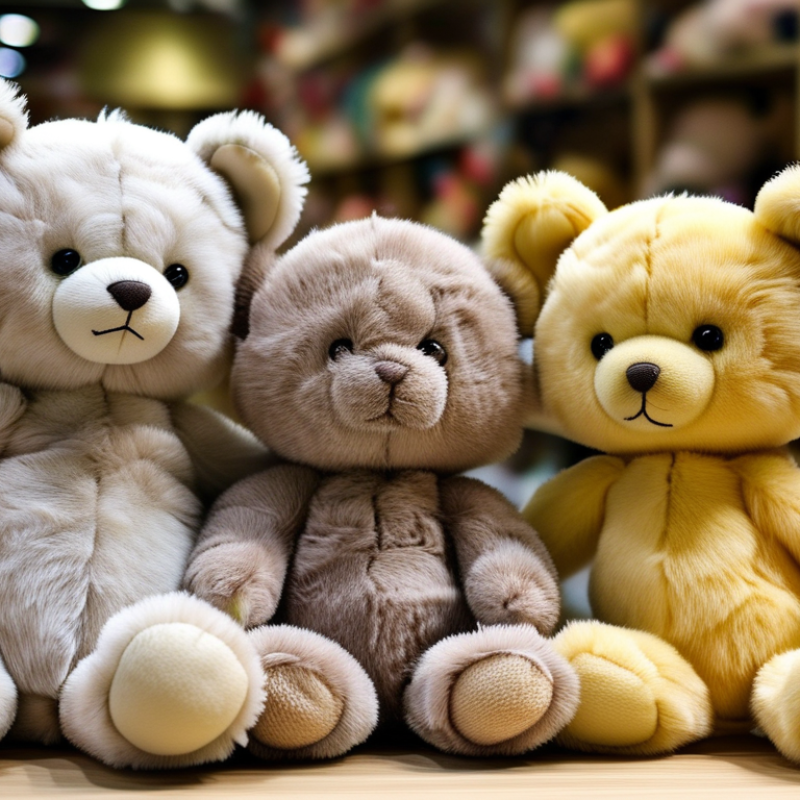
When selecting safe plush toys for babies, several criteria must be considered. Parents should prioritize materials. Non-toxic fabrics are critical as babies often explore toys by mouthing them. A report by the American Academy of Pediatrics emphasizes the importance of using hypoallergenic materials to prevent skin irritation or allergic reactions.
Size is another crucial factor. Plush toys should not be too small to avoid choking hazards. The Consumer Product Safety Commission advises that toys for infants should be larger than three inches. Additionally, check for detachable parts. Accessories or small components can pose risks. Soft toys without buttons or removable embellishments are safer options.
Finally, consider the toy's construction. Reinforced stitching and secure seams minimize the risk of breakage. A study from the National Institute of Health found toys designed for durability significantly reduce the chances of hazardous incidents. Always read safety labels and, if possible, consult with professionals about materials and safety guidelines. This attention to detail helps ensure a secure play environment for babies.
| Toy Name | Material | Age Recommendation | Safety Features | Washability |
|---|---|---|---|---|
| Soft Bear | 100% Organic Cotton | 0-24 months | No small parts, hypoallergenic | Machine washable |
| Lil' Bunny | Plush Polyester | 0-12 months | CE certified, no loose fibers | Spot clean only |
| Cuddly Elephant | Cotton and Polyester Blend | 0-36 months | Safety stitched, non-toxic dyes | Machine washable |
| Gentle Giraffe | Recycled Polyester | 0-2 years | No buttons, safe for teething | Hand wash recommended |
| Cozy Cat | Velvet Plush | 0-12 months | Eco-friendly, no small parts | Machine washable |
| Friendly Fox | Organic Plush | 0-18 months | Hypoallergenic, safety eyes | Spot clean only |
| Snuggly Dino | Cotton Blend | 0-3 years | No detachable parts, safe materials | Machine washable |
| Plush Puppy | Soft fleece | 0-24 months | Non-toxic, extra soft | Machine washable |
| Sweet Sheep | Organic Cotton | 0-6 months | No small parts, natural dyes | Hand wash recommended |
| Bouncy Bunny | Plush Fabric | 0-12 months | Safety certified, soft and cuddly | Machine washable |
: Choose non-toxic and hypoallergenic materials. Soft and durable fabric is essential for sensitive skin.
Check for secure stitching and ensure no loose parts. Small pieces can be choking hazards for babies.
Avoid large toys that can overwhelm. Small toys can be lost or pose choking risks.
Toys should ideally be machine washable. Regular cleaning prevents germs and maintains safety.
For infants, choose soft toys without small parts. For ages 1-3, ensure toys encourage safe imaginative play.
Certifications indicate compliance with safety standards. They give peace of mind about the toy's safety features.
Regularly inspect toys for wear or damage. This practice helps catch potential safety issues early.
Avoid toys with harmful substances like BPA. Check for choking hazards and ensure age-appropriate features.
When considering how to choose safe plush toys for babies, it is essential to prioritize certain criteria to ensure their safety and suitability. Firstly, avoid materials that may pose health risks, such as toxic chemicals or small parts that can be choking hazards. Essential safety features to look for include securely stitched seams and non-removable eyes, which reduce the risk of injury. Additionally, it's important to adhere to recommended age ranges for plush toys to ensure appropriate developmental stages are considered.
For maintaining the safety and cleanliness of plush toys, regular washing and inspection for wear and tear are crucial. Implementing these steps will help create a safer play environment for babies while providing comfort and joy through their plush companions. By following these guidelines, parents can confidently choose plush toys that are both safe and enjoyable for their little ones.

 Petto Toys
