Soft plush toys collect more than bedtime memories. Dust, skin oils, snack crumbs, and accidental spills can settle deep between the fibers. Learning how to clean plush toys safely starts with one simple step: check the care label. A machine-washable bear and a delicate, glued-eyed keepsake do not need the same treatment.
The U.S. Centers for Disease Control and Prevention defines cleaning as removing “germs, dirt, and impurities from surfaces or objects.” That distinction matters: washing can remove soil, but it does not automatically disinfect a toy. The CDC’s household-cleaning guidance also recommends following product instructions and choosing methods suited to the item. For plush toys, that means checking seams, fabric, stuffing, and attached details before adding water or detergent. A loose button or damp inner filling deserves attention.
There is no verified expert quotation or plush-cleaning industry report in the materials provided, so inventing one would undermine trustworthy advice. Instead, this guide focuses on practical, cautious methods: spot-cleaning sturdy toys, using a laundry bag for washable ones, and air-drying them fully before a child cuddles them again. Small details count. A clean-looking surface can hide lingering moisture, and even careful washing can damage fragile fabric. That is worth remembering.
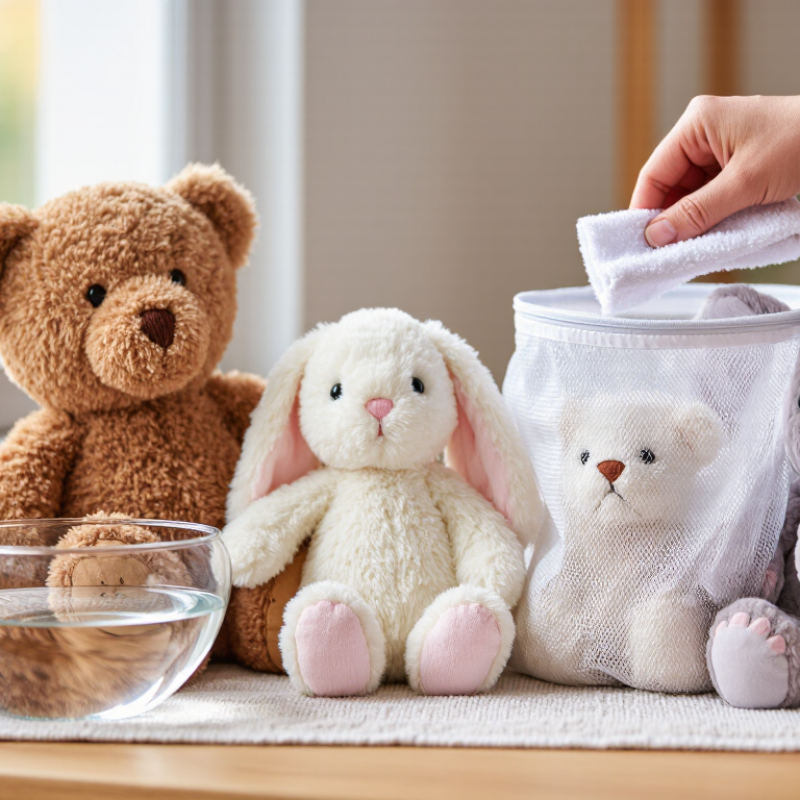
Check the care label before wetting a plush toy. It may allow machine washing, hand washing, or surface cleaning only. If the tag is missing, inspect the toy’s materials and construction. Polyester fur and removable clothing may tolerate gentle washing, while glued eyes, foam parts, or electronic sound boxes can be damaged by water. Remove batteries and detachable accessories only when the design allows it. A label can be frustratingly vague, so test a hidden spot with a damp white cloth first.
The U.S. Consumer Product Safety Commission’s 2023 Toy-Related Deaths and Injuries report estimated 231,700 toy-related emergency-department visits in the United States. That figure covers toys broadly, not washing accidents, but it reinforces the value of checking for loose parts before and after cleaning. Look closely at seams, plastic features, and worn fabric. ASTM F963-23, a toy-safety standard, also addresses materials and small components; it is not a laundering guide. When the label and the toy’s condition disagree, choose the gentlest method, usually a lightly damp cloth and mild soap. Air-dry fully. Some toys simply should not be soaked.
Before washing a plush toy, take it outside or hold it over a clean towel and gently shake it. Use a soft-bristled brush or a clean, dry cloth to lift dust from seams, ears, and paws. Work in the direction of the pile, not against it, to avoid roughening the fabric. For crumbs near stitching, use a vacuum’s upholstery attachment on low suction, held slightly away from delicate fibers. Go slowly.
Check the care label and inspect the toy for loose threads, glued-on details, or a battery compartment before adding moisture. Blot fresh marks with a white cloth slightly dampened with cool water; press and lift rather than scrub. For oily or colored stains, dab a little mild detergent diluted in water onto a hidden spot first. Wait a few minutes, then check for color transfer or texture changes. Less is safer.
If the test looks fine, treat the stain from its outer edge toward the center. Use a clean part of the cloth as it picks up soil. Keep water away from electronics, and avoid soaking the stuffing, which can dry slowly and hold odors. Blot with a cloth dampened in plain water to remove detergent residue, then press with a dry towel. A stain may not disappear on the first pass. That is better than damaging the pile by scrubbing harder.
How to Clean Plush Toys Safely at Home?
Check the label first. If it allows machine washing, place the toy in a mesh laundry bag or tied pillowcase. Use cold water, a gentle cycle, and a small amount of mild detergent. Remove batteries, sound boxes, and loose accessories before washing. Let the toy air-dry fully, reshaping its ears and limbs while damp. Heat can damage synthetic fur or glued details.
For delicate, old, or partly damaged toys, hand-washing gives you more control. Mix mild detergent into cool water, then gently press suds through the fabric. Avoid twisting or scrubbing stitched features. Rinse until the water runs clear, press out moisture with a towel, and leave the toy in a well-ventilated spot. It may take longer than expected to dry inside.
Tips: Test a hidden area first, and stop if color transfers. ENERGY STAR reports that certified clothes washers use about 20% less energy and 30% less water than standard models; this is useful efficiency context, not proof that a toy is machine-safe. Some plush toys still need spot-cleaning only. A little disappointing, but safer.
After washing a plush toy, rinse it slowly in cool water until the water runs clear. Soap left in the stuffing can make the toy feel stiff or attract dust. Press it gently against the sink to remove suds. Don’t twist or wring it; that can stretch seams and distort the shape. Repeat the rinse if the fabric still feels slippery. It takes patience.
Tips: Wrap the toy in a clean towel and press to absorb extra water. Check the care label before using any dryer. Keep toys with batteries or glued-on details away from soaking.
Reshape the ears, paws, and face while the toy is damp, then leave it to air-dry in a well-ventilated spot. Turn it occasionally so the underside does not stay wet. Avoid direct heat, which may damage fibers or leave the fur rough. When it is completely dry, brush the pile gently with a soft brush, working in the direction of the fibers. A small flattened patch may remain, and brushing harder usually won’t fix it. If the toy still feels damp inside, give it more time.
| Toy or Cleaning Situation | Recommended Method | Rinsing Guidance | Drying Guidance | Restoring the Plush Texture |
|---|---|---|---|---|
| Light dust or a small surface mark | Spot-clean with a clean cloth dampened with cool water and a small amount of mild detergent. Test a hidden area first. | Wipe again with a separate cloth dampened with clean water to remove detergent residue. | Press gently with a dry towel, then air-dry in a well-ventilated place. | When completely dry, gently loosen the pile with fingers or a soft-bristled brush. |
| Machine-washable toy with no electronic parts | Check the care label. If machine washing is permitted, place the toy in a mesh laundry bag and use a gentle cycle with cool water and mild detergent. | Use an extra rinse if available, especially if suds or detergent remain in the fabric. | Air-dry fully. Avoid high heat, which can damage fibers, seams, or glued details. | Once dry, shake gently and brush in the direction of the pile. |
| Hand-washable toy without electronic parts | Submerge in cool water with a small amount of mild detergent. Gently squeeze the fabric; do not twist or wring it. | Rinse in clean cool water until the water runs clear and no slippery detergent residue remains. | Press between clean towels to remove excess water, then air-dry with the toy supported in its natural shape. | After it is completely dry, gently fluff the fur with fingers or a soft brush. |
| Toy containing a sound box, batteries, or other electronics | Do not immerse it. Follow the care label and clean only the surface with a lightly damp cloth. | Wipe away detergent with a clean, lightly damp cloth; keep moisture away from openings and electronic components. | Blot with a dry towel and allow to air-dry completely before use. | Brush the dry surface gently without pulling on seams, buttons, or attachments. |
| Delicate fabric, glued decorations, or an unclear care label | Avoid soaking or machine washing. Spot-clean a hidden area first; seek professional cleaning if the item is valuable or easily damaged. | Use as little water as possible and remove cleaner with a separate damp cloth. | Air-dry away from direct heat and sunlight, which may affect color or materials. | When fully dry, smooth the pile gently by hand; stop if fibers or decorations begin to loosen. |
| After any wet-cleaning method | Check seams, stuffing, and inner areas for dampness. Reposition the toy occasionally so air can reach all sides. | Make sure no detergent remains; residue can leave fabric stiff or attract dirt. | Do not store the toy while damp. Allow it to dry completely before returning it to regular use. | Avoid brushing wet plush, as the fibers may mat or stretch. Restore the pile only after it is fully dry. |
Always follow the toy’s care label when available. Cleaning methods vary by fabric, filling, construction, and attached parts.
After cleaning, let the plush toy dry completely before inspecting it. Press a clean, dry towel into thick areas, such as the belly or paws. If the towel feels damp, the toy needs more drying time. Check the care label before using heat, since high temperatures can damage some fabrics or fillings. A faint musty smell may mean moisture remains inside. Don’t ignore it.
In bright light, look over the toy from head to feet. Check seams for gaps, loose threads, or stuffing that is beginning to escape. Gently tug on eyes, noses, ribbons, and other small parts; anything loose could come off during play. Run your fingers over the fabric to find sticky residue, rough patches, or clumps in the filling. For toys with sound units or batteries, make sure the compartment is dry and securely closed. I sometimes miss a damp spot beneath an ear, so it helps to turn the toy around and check again. If a part feels unstable, keep the toy out of use until it can be repaired safely.
Check the care label first. If machine washing is allowed, place the toy in a mesh bag or tied pillowcase. Use cold water, a gentle cycle, and a little mild detergent.
Take out batteries, sound units, and loose accessories. Keep glued details away from soaking. Small parts can be easy to overlook.
Choose hand-washing for delicate, old, or partly damaged toys. Press cool, soapy water gently through the fabric. Don’t twist or scrub stitched features.
Rinse with cool water until it runs clear. If the fabric still feels slippery, rinse again. Soap in the stuffing can leave it stiff or dusty.
Press the toy gently against the sink, then wrap it in a clean towel. Don’t wring it. Seams can stretch.
Reshape its ears, paws, and face while damp. Air-dry it in a well-ventilated spot, turning it occasionally. Direct heat may roughen the fur or damage glued details.
Press a clean, dry towel into thick areas, such as the belly or paws. If the towel feels damp, wait longer. A musty smell may signal hidden moisture.
Check seams, loose threads, and small parts like eyes, noses, and ribbons. Make sure battery compartments are dry and closed. I sometimes miss damp spots under ears, so turning the toy around helps.
Knowing how to clean plush toys safely starts with checking the care label and identifying the toy’s materials, since some fabrics, fillings, or attached details may not tolerate water or heat. Before washing, gently remove loose dust and dirt with a soft brush or cloth. Treat small stains carefully with a mild cleaning solution, testing it first on an inconspicuous area and avoiding excessive moisture.
Choose hand-washing for delicate toys, or use a gentle machine-washing method only when the care instructions allow it. Rinse thoroughly so no cleaning residue remains, then press out excess water without twisting or stretching the toy. Let it dry completely in a well-ventilated place, away from high heat, and gently fluff the fabric once dry. Before returning the toy to use, inspect its seams, surface, and small parts to make sure it is clean, dry, and still in good condition.

Petto Toys