Children often find comfort in cuddly companions during sleep. This behavior raises an interesting question: why do children sleep with plush toys? Dr. Emily Johnson, a child psychologist, explains, "These toys provide emotional support, making children feel safe and secure."
The bond between a child and their plush toy can resemble that of a best friend. Plush toys serve as a soft barrier between the known world and the unknown of the night. Their presence can ease bedtime fears and promote a peaceful sleep environment. Children often project feelings onto these toys, creating imaginary scenarios where the toys become protectors.
However, this attachment to plush toys might also reflect deeper emotional needs. Some children might struggle with anxiety or fear of abandonment, using the toy as a coping mechanism. While healthy connections can foster emotional growth, it's essential for parents to encourage children to process their feelings. Understanding why do children sleep with plush toys can guide parents in nurturing their child's emotional well-being.
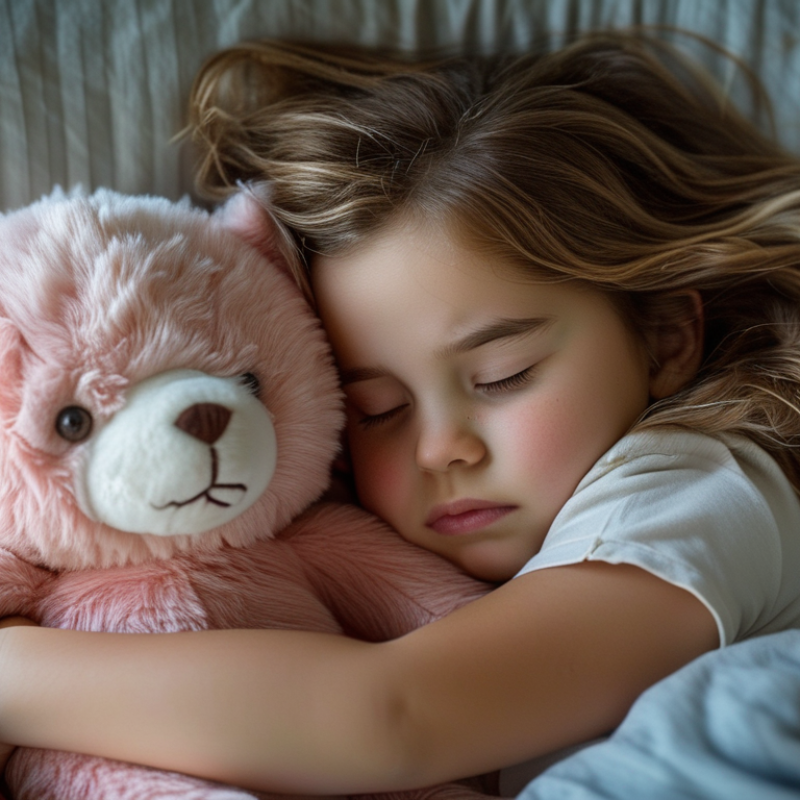
The Comforting Presence of Plush Toys in a Child's Sleep Environment
The comforting presence of
plush toys
plays a significant role in a child’s sleep environment. Research shows that nearly
60% of children sleep with a comfort object, often a plush toy.
These toys provide a sense of security and emotional support. Children often find comfort in their plush companions,
reducing feelings of anxiety at bedtime.
Studies indicate that children with a comfort item experience less distress during sleep transitions. The plush toy serves
as a bridge between their waking and sleeping worlds.
When facing bedtime fears or nightmares, children can turn to their plush toys for reassurance. The tactile experience of
hugging and holding the toy promotes relaxation, reinforcing a sense of safety.
Moreover, the reliance on plush toys can reflect developmental stages. As children grow, their attachment may lessen, yet many
retain fond memories of their toys. Researchers emphasize the psychological benefits, suggesting these attachments foster
resilience and emotional growth. However, as children navigate their independence,
a heavy reliance on these toys can warrant reflection. Balancing comfort with growth is essential for healthy emotional development.
Emotional Security: How Plush Toys Provide a Sense of Safety
Plush toys play a vital role in providing emotional security for children. Research shows that over 65% of children sleep with a favorite stuffed animal. This attachment helps them feel safe during the night, reducing anxiety and sleep disturbances. Plush toys serve as comfort objects, which children can rely on during moments of stress or fear.
When children experience new environments, such as starting school or sleepovers, their plush companions offer reassurance. A study published in the Journal of Child Psychology revealed that children with plush toys reported lower levels of anxiety in unfamiliar situations. The texture and warmth of these toys mimic the comfort of a parent, allowing children to build emotional resilience. They often hug or talk to their plush friends, processing their feelings in a safe space.
However, reliance on plush toys can sometimes highlight underlying issues. Some children may use them to cope with loneliness or insecurity, indicating a need for emotional support. Parents should balance providing these comfort items with encouraging healthy independence. Creating a secure emotional foundation is crucial, but it’s also essential to foster self-soothing skills in children for long-term well-being.
Sleep Association: The Role of Plush Toys in Promoting Restful Sleep
Children often seek comfort from plush toys during sleep. These soft companions can create a sense of safety and warmth. Many kids snuggle up with these toys, feeling less alone in their beds. The texture of fabric and the scent can be soothing. This tactile experience helps children relax as they drift off to sleep.
Plush toys also serve as a sleep association. Over time, children connect these toys with a peaceful bedtime routine. When they see or hold their plush toys, they may feel sleepy. A favorite toy can carry sentimental value, adding to its comfort. However, not every child responds identically. Some might rely on other objects or routines to feel secure while sleeping. Experimenting with different comfort objects can be important for finding what works best.
In some cases, a child's attachment to a plush toy might create dependency. Parents should observe and assess if this level of reliance is affecting sleep quality. A healthy balance is needed. While plush toys can enhance the bedtime experience, it is crucial to encourage independence. Finding the right approach can foster a soothing sleep environment.
10 Reasons Why Children Sleep With Plush Toys
Imagination and Play: Plush Toys as Catalysts for Nighttime Adventures
Plush toys often ignite the imagination of children, creating a unique blend of comfort and adventure at bedtime.
These soft companions become more than just toys; they transform into trusted allies, guiding kids through their nighttime journeys. As children cuddle with their plush friends, they explore
enchanted forests, brave pirate seas, and build imaginary kingdoms. This imaginative play fosters creativity and allows children to process their daily experiences in a safe space.
In the quiet of night, a plush toy can provide emotional support. Children may face fears of darkness or loneliness. Their plush companions serve as a shield against those feelings, acting as a calming presence.
This dynamic also encourages imaginative narratives, where the child is both creator and participant in their dreams. Each story told under the blanket involves an intricate dance of fantasy and comfort.
While some parents may question the necessity of such toys, it is essential to recognize their value. The emotional attachment to these toys plays a significant role in a child’s development.
It sparks imagination, nurtures empathy, and builds confidence. Nevertheless, this dependence can sometimes hinder self-soothing skills. Encouraging a healthy balance
between toys and independent sleeping habits is worth considering.
Social Development: Learning Empathy and Attachment Through Plush Toys
Plush toys play an essential role in a child's social development. When children cuddle their stuffed animals, they engage in imaginative play. This often leads to nurturing behaviors, helping them learn empathy. Through these interactions, children practice caring for their plush friends. This practice can translate to real-life relationships with peers and family.
As children narrate stories to their toys, they explore emotions. They express joy, sadness, and even frustration. This creative outlet allows them to process their experiences. However, it's worth noting that some children may become overly dependent on these toys for comfort. This reliance can be a reflection of their need for security. Instead of overcoming fears, they might clench onto their plush companions.
Moreover, attachment to toys may mask deeper issues. If a child favors a plush toy over making friends, it could indicate social anxiety. Observing these patterns can provide insight into a child's emotional state. Engaging with plush toys offers valuable lessons in connection and understanding. But it's crucial for parents to balance this, guiding their children toward real-world interactions.
FAQS
: Many children feel safer with plush toys. They provide comfort, reducing anxiety during the night.
Plush toys offer reassurance when children encounter unfamiliar environments, helping to lower anxiety levels.
Children learn empathy and nurturing behaviors by caring for their plush friends, enhancing social development.
Yes, if children rely too heavily on toys, it may signal loneliness or insecurity needing emotional support.
Parents should balance comfort with promoting independence. Self-soothing skills are vital for long-term emotional health.
By narrating stories and expressing feelings to their toys, children explore and process their experiences safely.
Over-dependence on plush toys might reflect social anxiety and hinder making real-world friends.
Parents can encourage real-life connections while allowing some comfort from plush toys. Balance is key.
Yes, imaginative play fosters creativity and emotional expression, aiding overall social and emotional development.
If a child favors toys over peers, it could indicate deeper emotional issues or social anxiety needing attention.
Conclusion
The article "10 Reasons Why Children Sleep With Plush Toys" explores the significant role plush toys play in a child's bedtime routine. One primary reason why do children sleep with plush toys is their comforting presence, which helps create a secure sleep environment. These toys provide emotional security, allowing children to feel safe and protected as they drift off to sleep.
Additionally, plush toys foster restful sleep by creating a sleep association, making bedtime a more pleasant experience. They also act as catalysts for imagination and play, encouraging nighttime adventures that can help develop creativity. Beyond the immediate comfort, plush toys are instrumental in social development, teaching children valuable lessons in empathy and attachment. Overall, these factors highlight the multifaceted benefits of including plush toys in a child's nighttime rituals.

 Petto Toys
