Plush toys have become a beloved companion for people of all ages. The question is, why are plush toys so popular? According to industry reports, the global plush toys market is expected to reach $10 billion by 2025, highlighting their widespread appeal. This growth can be attributed to several factors, including nostalgia, comfort, and emotional attachment.
Children find joy in cuddly friends that offer security and companionship. For adults, plush toys evoke memories of childhood and simpler times. A 2022 survey revealed that 40% of adults still own a plush toy, showcasing their lasting impact. However, the reliance on these toys for comfort raises questions about emotional dependence.
The design and variety of plush toys also contribute to their popularity. They come in countless shapes and sizes, appealing to diverse tastes. Yet, the overwhelming choice can sometimes lead to confusion and consumer fatigue. As we explore why plush toys are so popular, it becomes clear that their charm lies in both their simplicity and complexity in addressing human emotions.
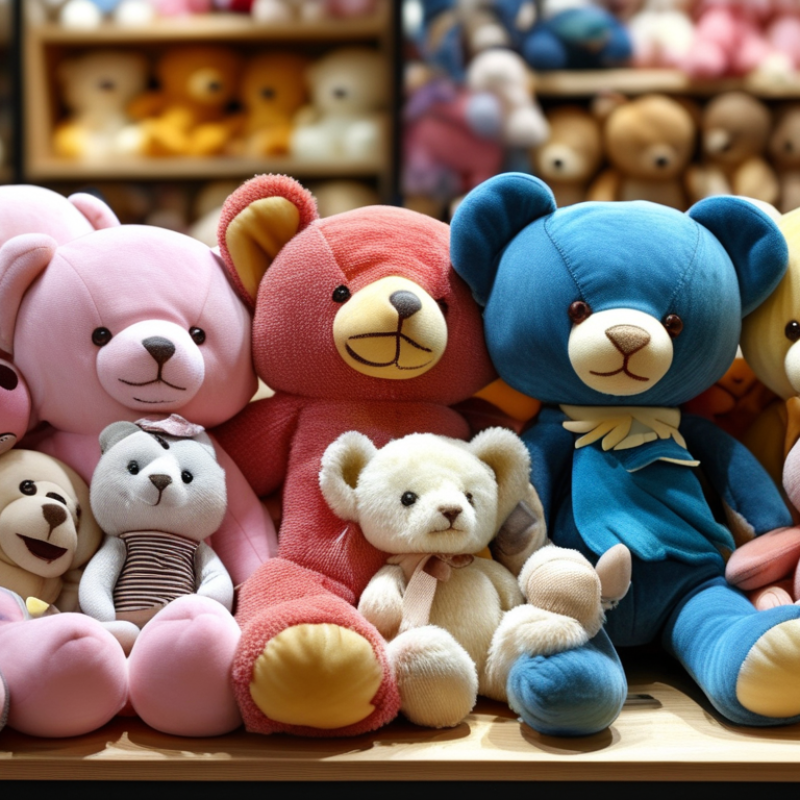
The Emotional Connection: Why Plush Toys Provide Comfort Across Ages
Plush toys have long been associated with childhood, yet their appeal extends to adults too. Research suggests that approximately 75% of adults still own at least one stuffed animal. This phenomenon can be attributed to the deep emotional connection people feel towards these comforting companions. Soft textures and huggable forms create a sense of safety and nostalgia, often reminding individuals of simpler times.
A study by the Toy Association reveals that 60% of individuals cited emotional support as the primary reason for keeping plush toys. For many, these toys serve as a stress-relief tool. The tactile sensation provided by plush toys can trigger the release of oxytocin, the "love hormone," fostering comfort during tough times. Interestingly, those facing life transitions, such as bereavement or relocation, often turn to plushies for solace.
Despite their widespread popularity, the use of plush toys isn’t without critiques. Some argue that relying on these toys might impede emotional growth. However, recognizing their role in providing comfort is essential. Plush toys offer a sanctuary in both joyful and challenging moments, proving their enduring appeal across generations.
The Role of Nostalgia: How Childhood Memories Influence Adult Preferences
Plush toys hold a special place in many hearts. For adults, they bring back cherished memories of childhood. The softness of a teddy bear or the comfort of a plush friend can evoke feelings of security and joy. These toys remind us of simpler times when worries were few. They quickly transport us back to our childhood homes, filled with laughter and love.
Nostalgia plays a vital role in this phenomenon. Adults often seek to reconnect with their past, and plush toys help bridge that gap. Finding a toy that resembles a beloved childhood companion can spark joy. It’s a reminder of innocence. Each plush toy has a story, a sentiment tied to a unique moment. Collecting these toys can be a comforting hobby, offering a sense of belonging.
**Tips:** When exploring plush toys, choose those that evoke strong memories. Think about colors and shapes that remind you of your past. Consider visiting thrift shops or antique stores for unique finds. Surround yourself with items that make you feel joyful. Reflect on how these toys can enrich your life today.
Why Are Plush Toys So Popular Among All Ages? - The Role of Nostalgia: How Childhood Memories Influence Adult Preferences
| Age Group |
Percentage of Plush Toy Owners |
Reasons for Preference |
Associated Memories |
| Children (0-12) |
85% |
Comfort, Playtime |
Imaginary Friends, Storytelling |
| Teens (13-19) |
60% |
Aesthetics, Collecting |
Childhood Favorites, Gifts |
| Adults (20-35) |
45% |
Stress Relief, Decor |
Nostalgia, Gifts from Parents |
| Adults (36+) |
30% |
Sentimental Value, Therapy |
Memories of Childhood, Family |
The Aesthetic Appeal: Softness and Design in Plush Toy Popularity
Plush toys captivate hearts across generations. Their allure lies in their softness and intricate designs. Research indicates that the global plush toy market reached approximately $7 billion in 2020, and its growth continues. By 2026, it is expected to exceed $10 billion. This trend reflects a collective appreciation for tactile comfort and visual appeal.
The softness of plush toys provides a sensory experience. People of all ages enjoy the warm embrace of a cuddly bear or a fluffy bunny. Data shows that 62% of consumers prefer plush toys for their comforting presence. The aesthetics, including bright colors and creative designs, draw people in. Toys designed from popular culture or unique concepts often attract attention. However, the industry sometimes emphasizes trends over durability.
While plush toys are designed to bring joy, some people overlook sustainable practices in their production. Many plush toys are made from synthetic materials that may not be eco-friendly. This contradiction challenges manufacturers to balance appeal and responsibility. The enchanting softness of plush toys should not come at the expense of our planet's health.
Social Aspects: Plush Toys as Companions in Different Life Stages
Plush toys serve as significant companions throughout various life stages. For infants, they provide
comfort and security. Soft textures and
comforting shapes help babies explore their environment while feeling safe. Research shows that
68% of children cherish their plush toys during early childhood. These toys often become their
first friends, fostering emotional development.
As we grow, the role of plush toys evolves. Studies indicate that 45% of teenagers still hold onto their childhood favorites. These toys often symbolize
nostalgia and security. They can help to manage
stress during challenging times. Many adults reveal that their plush companions offer emotional solace
during life's uncertainties.
Yet, the reliance on plush toys can raise questions. Some people might wonder if this attachment reflects
a failure to mature. It is essential to consider the comfort these items bring. They provide companionship
without judgment. While some may view this as a weakness, others find strength in cherished memories.
Plush toys remain a reminder that emotional connections are vital at all ages.
Market Trends: The Growing Demand for Plush Toys in All Demographics
The plush toy market has seen remarkable growth across all demographics. Recent reports indicate that the global plush toys market is expected to reach over $10 billion by 2027. This surge can be attributed to various factors, including emotional comfort and nostalgia. Plush toys serve as stress relievers for adults while still captivating younger audiences.
Emotional connections are significant contributors to this trend. One survey revealed that 67% of adults with plush toys felt a sense of comfort in times of stress. This highlights how plush toys resonate with the need for emotional support. Moreover, the appeal of plush toys extends to collectors of all ages. Market data shows a steady increase in collectible plush toys, popular among both children and adults.
Tip: When selecting plush toys, consider their emotional value. A plush toy tied to special memories can enhance emotional bonding. Remember that collecting plush toys can be fulfilling, but it’s essential to avoid excessive spending. Balancing emotional satisfaction with financial responsibilities is crucial for a sustainable collection.
FAQS
: Many adults keep plush toys for their emotional support and comfort.
The softness of plush toys can trigger oxytocin release, promoting feelings of comfort.
Research shows that 68% of children cherish plush toys during early childhood.
Plush toys symbolize nostalgia and provide emotional security for many teenagers.
Some argue that dependence on plush toys might impede growth, but they offer crucial comfort.
Yes, many people seek solace from plush toys during difficult life changes, like bereavement.
They provide non-judgmental companionship, helping manage stress at various life stages.
Plush toys evoke nostalgia and create emotional connections, making them appealing to all ages.
Some view attachment to plush toys as a sign of immaturity, while others find strength in memories.
Plush toys help children explore their emotions and develop feelings of safety and security.
Conclusion
Plush toys have garnered widespread popularity across various age groups for several compelling reasons. One significant factor is the emotional connection they foster, providing comfort and companionship, which transcends age barriers. Whether it's a source of solace for a child or a nostalgic reminder for an adult, plush toys evoke feelings of safety and warmth. The role of nostalgia plays a vital part in understanding why are plush toys so popular, as many adults find joy in revisiting their childhood memories through these soft companions.
Additionally, the aesthetic appeal of plush toys—characterized by their softness and charming designs—makes them visually appealing and comforting. Socially, they serve as companions at different life stages, whether for children needing a friend or adults seeking comfort during life transitions. Market trends further highlight the growing demand for plush toys across all demographics, indicating their enduring allure in a rapidly changing world. Ultimately, the combination of emotional, nostalgic, and aesthetic factors underpins their widespread popularity.

 Petto Toys
