Plush toys are beloved companions for children and adults alike. Their softness and huggable form make them irresistible. However, many wonder, "what are plush toys made of?" Understanding the materials behind these cuddly creations is essential.
Plush toys typically consist of various materials. The outer fabric is often soft polyester or cotton blend. Inside, you might find polyester fiberfill or foam, ensuring a cozy touch. These materials provide comfort and durability, which is crucial for toys designed for love and play.
Yet, not all plush toys are created equally. Some are made with chemicals that may raise concerns. It's vital to choose toys that meet safety standards. Parents should research and reflect on the manufacturing process of plush toys. This knowledge empowers consumers to make informed choices while ensuring the safety and happiness of loved ones.
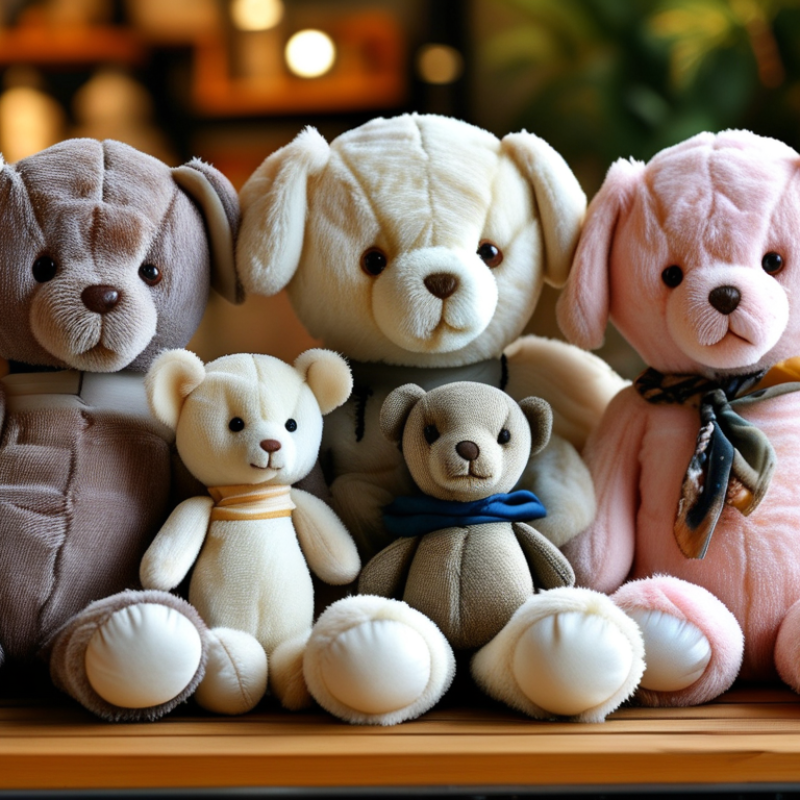
When it comes to plush toys, the materials used play a crucial role in their quality and safety. Commonly, these toys are made from fabric like polyester or cotton. Polyester is popular due to its durability and softness. Cotton, on the other hand, offers a natural feel and is often hypoallergenic. Nonetheless, it can be less durable under certain conditions.
Stuffing materials are equally important. Polyester fiberfill is widely used for its lightweight properties. It provides a fluffy and plush feel. Some toys use foam, which offers a different texture and density. However, foam can lose its shape over time. Safety should not be overlooked. Always check for non-toxic materials, especially for toys intended for young children.
Additional features such as eyes and accessories may be made from plastic or felt. While these materials add character, they must be securely attached to avoid hazards. Reflecting on these details helps ensure that plush toys remain safe and enjoyable for all ages. As consumers, we should continually demand better standards in toy manufacturing.
: Common materials include polyester and cotton. Polyester is durable and soft, while cotton is natural and hypoallergenic.
Stuffing ensures the toy feels soft and huggable. Polyester fiber and foam are popular, offering different textures.
Polyester and nylon contribute to pollution. Their production harms air quality and releases microplastics into waterways.
Organic cotton uses fewer chemicals. However, it requires significant water, which may pose environmental concerns.
Check for non-toxic materials and safety certifications. Ensure that any added features, like eyes, are securely attached.
Cheap fillers can clump, leading to uneven softness. This diminishes the toy's appeal and can affect safety.
The right stuffing maintains the toy's shape and softness. Poor quality stuffing can break down and shift over time.
Bamboo and organic cotton are options. However, bamboo processing may not always be eco-friendly.
Increased awareness of materials can push brands towards more sustainable practices. Each choice contributes to reducing waste.
Understanding material impacts helps promote sustainability. Each small choice matters in creating a positive environmental footprint.
In the article titled "What are Plush Toys Made of 5 Essential Tips to Know?", various crucial aspects of plush toy manufacturing are explored. The types of materials commonly used include soft fabrics such as polyester and cotton, which ensure comfort and durability. Understanding safety standards for these materials is essential, as it guarantees the toys are safe for children. Additionally, the article examines the environmental impact of common plush toy fabrics, highlighting the growing trend towards sustainable options.
Moreover, the role of stuffing and padding in determining the quality of plush toys is discussed, emphasizing that the right filling can enhance durability and playability. Finally, the piece reviews market trends, showcasing a shift in consumer preferences towards plush toys made from eco-friendly materials. This comprehensive examination effectively answers the question of what are plush toys made of and showcases the industry's commitment to safety and sustainability.

 Petto Toys
