In 2026, choosing a plush toy means looking beyond its color and softness. The question “what are plush toys made of” has a practical answer: many use polyester fabric and polyester fiberfill, while others contain cotton, blended textiles, or recycled fibers. The exact materials vary by product, so check the sewn-in label and product details rather than relying on a picture. Feel the fabric, too. A short, dense pile may be easier to wipe clean, while long fibers can collect lint and crumbs. Small details matter.
A thoughtful choice also considers stitching, shape, care instructions, and who will use the toy. Gently inspect the seams and features; loose threads or parts that feel poorly attached deserve a closer look. For a young child, follow the maker’s age guidance and review the stated safety information. For everyday cuddling, washable construction may be more useful than a novelty texture. If you are buying a gift, consider allergies and the recipient’s preferences when those details are known. Labels can still be vague, and “soft” is not a reliable measure of durability. I have found that a quick look at the care instructions can change my mind. This guide explores common plush materials and practical ways to compare them, while recognizing that no single fabric is best for every home.
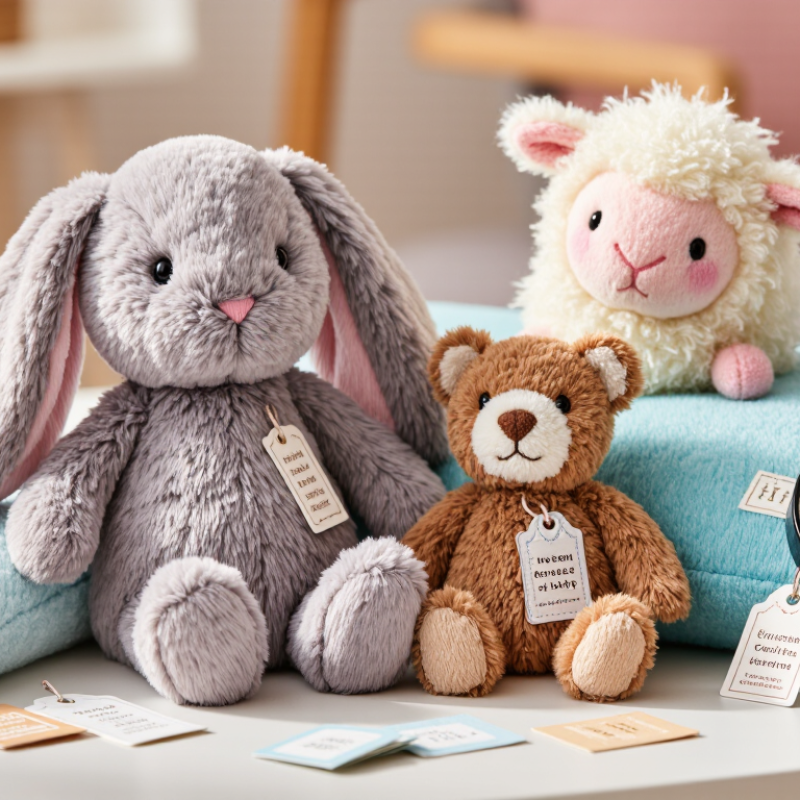
A plush toy is a soft object made for hugging, handling, or imaginative play. Its defining feature is a fabric surface with a raised pile, such as short velour or longer faux fur. Beneath that surface, a backing fabric gives the pile support. Soft, but structured.
Construction usually begins with fabric panels cut into shapes and sewn together, leaving an opening for stuffing. Polyester fiberfill is common because it is light and springy. The amount matters: too little can leave a toy limp, while tightly packed filling may make seams feel strained. A firm squeeze should reveal some give. That matters.
Details shape both feel and durability. Embroidered features sit flat against the fabric, while attached plastic parts can add texture but need secure fastening, especially on toys for young children. Seams should look even, with no loose threads or visible gaps. I find a quick visual check useful, though it cannot reveal every weak stitch inside. Labels can clarify fabric and care instructions, but they do not replace examining the toy itself. A slightly uneven shape may be harmless; a seam that opens under gentle pressure deserves closer attention.
Most plush toys use polyester plush because it feels soft, holds color, and dries relatively quickly. Short-pile fabric is easier to brush clean, while long pile can trap lint and crumbs. Cotton feels breathable and less slippery, though it may wrinkle or fade sooner. Fleece and minky-style fabrics are also common. Soft, but not always practical.
Fillings are often polyester fiberfill, which makes toys light and springy. Some use recycled polyester; the hand-feel can vary, so the material label matters more than a sustainability claim alone. Cotton or wool stuffing may feel denser, but can take longer to dry after washing. Small plastic pellets sometimes add weight, especially in the paws or base.
Check the seams and care instructions before choosing. Gently press the toy: even filling should recover without hard lumps or hollow patches. A soft feel alone tells little. Run a hand over the fabric and look for loose fibers, thin spots, or stitching that gaps when gently stretched. If the toy is for frequent washing, choose a washable outer fabric and a filling that will not clump easily. Labels can be vague, and I would not assume “premium” means more durable. A clear fiber description and sensible care guidance are more useful.
| Material | Common Forms and Uses | Typical Characteristics | What to Check When Choosing |
|---|---|---|---|
| Polyester plush fabric | Short- or medium-pile plush used for many soft toys. | Soft, lightweight, widely available, and generally quick-drying; texture and durability depend on construction and pile quality. | Check seam strength, pile shedding, and the care label. Washing instructions vary by toy and trim. |
| Minky-style polyester | Very soft, short-pile fabric often used for blankets, comfort toys, and soft toy panels. | Smooth, plush surface; usually made from polyester fibers. Some versions have raised dots or other textures. | Feel the fabric and inspect stitching. Follow the care label, since heat can affect synthetic fabrics. |
| Velboa | Short-pile synthetic plush commonly used for compact toys and detailed shapes. | Low pile can make small features and printed patterns easier to show than on long-pile fabric. | Check for a soft hand feel, even pile, and secure seams, especially around small parts. |
| Faux fur | Long- or textured-pile synthetic fabric used for shaggy or realistic-looking toys. | Creates a fluffy appearance, but longer pile may mat or trap debris more readily than short pile. | Look for secure pile and clear cleaning instructions. Long-pile toys may need gentle care. |
| Cotton fabric | Woven cotton may be used for toy bodies, clothing, or details; it is less fluffy than plush pile fabric. | A familiar plant-based textile with a woven surface; its feel and strength depend on the weave and finish. | Check whether the toy is washable and whether colors or attached decorations require special care. |
| Polyester fiberfill | Loose synthetic fiber commonly used as the main stuffing in plush toys. | Lightweight and resilient; the toy's softness and shape depend on how much and how evenly it is filled. | Check that the stuffing stays inside and that seams are secure. Follow the toy's washing and drying directions. |
| Polypropylene pellets | Small plastic pellets used in some toys for weight, stability, or a beanbag-like feel; often combined with fiberfill. | Adds weight and allows the filling to shift. Pellets are not the same as soft fiber stuffing. | For young children, check the age grading and ensure the toy has no accessible pellets or damaged seams. |
| Foam pieces | Cut foam or foam pieces may be used in shaped parts or firmer components. | Can provide more defined structure than loose fiberfill, depending on the foam and construction. | Review the product's care instructions and age guidance; construction and materials vary by toy. |
| Choosing a plush toy | Match the texture and firmness to the intended use. For a toy for a young child, check its age label, secure seams, and any small or detachable parts. If washing matters, read the care label before buying; fabric, filling, and attached features can affect cleaning options. Material names alone do not establish toy safety or washability. | ||
For most plush toys, the outer fabric shapes the first impression: smooth velour feels sleek, while longer polyester pile feels fluffier. Cotton blends can feel breathable and less slippery, but may wrinkle or dry slowly after washing. Recycled polyester can feel similar to standard polyester; the label alone does not reveal softness or pile density. Touch the fabric, if possible. Small details matter.
Durability depends on more than fiber type. Dense pile may hide wear, while loosely sewn seams can split when a toy is pulled by an arm or ear. Check the stitching around limbs and embroidered features, and gently tug the fabric near a seam. Polyester fiberfill usually springs back after light compression, though cheaper or loosely packed filling may flatten over time. No material is indestructible.
Care needs vary. A washable polyester toy may tolerate a gentle machine cycle, but attached accessories, delicate stitching, or a cardboard insert can change that. Read the care label before washing, and air-dry when heat could damage the pile. Cotton may shrink, while long fibers can tangle or mat. I’d weigh easy cleaning against softness; the plushest toy is not always the easiest to keep tidy. A damp cloth can help with small spots, but test an unseen area first.
Approximate moisture regain by fiber at standard conditioning conditions (about 20°C and 65% relative humidity), shown as a percentage of fiber weight.
Fibers that absorb more moisture may feel less quick-drying and can need more careful drying after washing. Fiber type alone does not determine softness or durability; fabric construction, finishes, and the toy’s care label matter too.
In 2026, a plush toy may contain polyester fabric and stuffing, with embroidered eyes or sewn-on details. Materials matter, but labels can tell you more about intended use and testing. Check the age recommendation and any small-parts warning, especially if a toy has plastic eyes, buttons, or accessories. Read the care instructions, too. A washable toy is easier to keep clean, though washing may affect its shape.
Standards and labels vary by market. In the United States, look for evidence that the toy meets applicable requirements, including ASTM F963, and check for a tracking label where required. In the European Union, the CE marking indicates a manufacturer’s declaration of conformity with relevant rules; it is not an independent quality rating. EN 71 may also be referenced. Labels are useful, not magic.
Look for a manufacturer or importer’s name and contact details, plus a batch or model identifier when provided. Those details can help if a safety notice appears later. Inspect seams and stitching in person: give them a gentle tug and check for loose threads or exposed filling. No label replaces a careful look. I still find age labels easy to misread; when in doubt, choose a simpler design and verify the rules for your location.
Choose a plush toy by setting, not appearance alone. For babies under 12 months, keep plush toys out of the sleep space; American Academy of Pediatrics safe-sleep guidance recommends a bare sleep area. For supervised floor play, look for embroidered facial details, secure seams, and a size small hands can grasp. Skip loose ribbons, buttons, or accessories. Check the age guidance and washing instructions, then inspect seams after laundering. “Machine washable” does not mean indestructible.
For travel or daycare, a compact toy with quick-drying fabric is easier to care for. For quiet play, a soft pile may feel soothing, but it can trap lint and take longer to dry.
Still, it supports checking age guidance and construction. Pick the toy that fits the child’s routine, and revisit that choice as the child grows.
It has a soft fabric surface with a raised pile, such as velour or faux fur. A backing supports the pile. Fabric panels are sewn together and filled.
Polyester fiberfill is common because it is light and springy. Too little can make a toy limp; tightly packed filling may strain seams. A firm squeeze should still have some give.
Short-pile polyester is generally easier to brush clean. Long pile can trap lint and crumbs. Cotton feels breathable, but it may wrinkle or fade sooner.
Look for even seams, loose threads, and gaps. Gently press the body and check for hard lumps or hollow patches. A quick check is imperfect; hidden stitches can still be weak.
They sit flat against the fabric and avoid attached plastic details. For supervised play with young children, also check that seams are secure and accessories cannot come loose.
Keep plush toys out of a baby’s sleep space during the first 12 months. For supervised floor play, choose a size small hands can grasp. Check the age guidance.
A compact toy with quick-drying fabric is easier to carry and wash. Long pile may feel soothing, but it can hold lint and take longer to dry. Not always ideal.
No. Follow the care instructions and inspect seams after washing. I still find labels vague, and washing can reveal weak stitching. A washable toy is not indestructible.
What are plush toys made of? Most combine a soft outer fabric, such as polyester fleece, plush, cotton, or a blended textile, with a filling such as polyester fiber or foam. Their construction typically includes cut fabric panels sewn together, securely attached features, and stuffing chosen to create a particular shape and feel. Materials influence whether a toy feels silky, fluffy, firm, or lightweight, as well as how well it holds its shape and how it should be cleaned. Check care instructions before washing, since some toys are suitable for machine washing while others need gentle spot cleaning.
When choosing a plush toy in 2026, match its size, texture, and durability to the intended user and setting. For young children, look for age guidance, securely attached parts, strong seams, and clear safety information. Labels should explain materials and care, and indicate that relevant safety testing has been considered for the toy’s intended market. A well-chosen plush toy balances comfort, construction, easy maintenance, and appropriate safety features.

Petto Toys