How to Make Plush Toys Become Sentimental Objects?

Time:2026-09-13 Author:Liam
0%

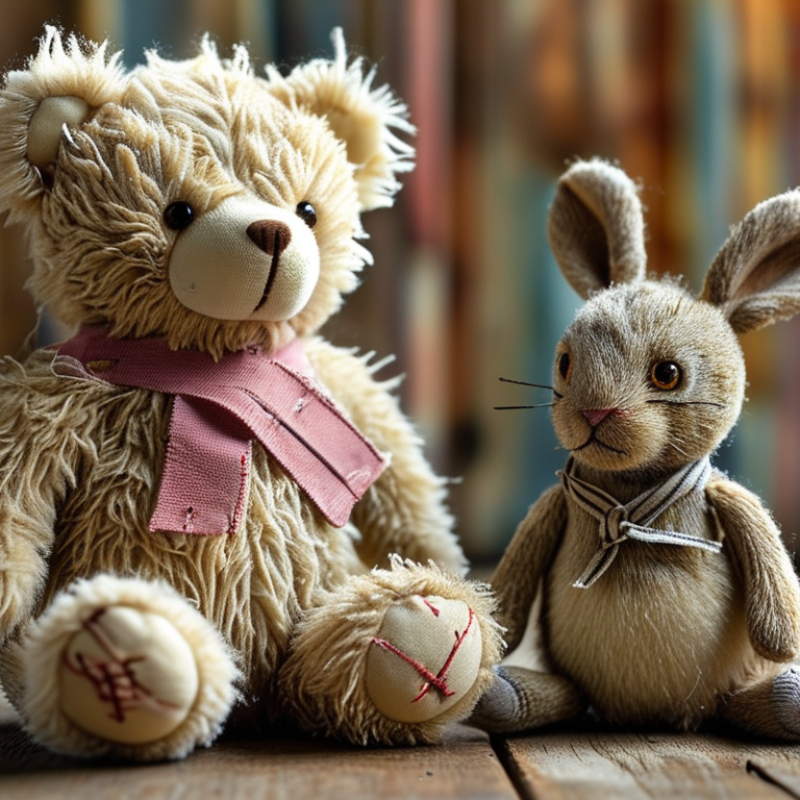
A plush toy can begin as a simple purchase, then quietly become part of someone’s emotional history. Its softness offers comfort during illness, travel, childhood fears, or difficult nights. Over time, repeated touch gives the toy a familiar place in daily life. A worn ear, faded ribbon, or small repair can preserve a specific memory.

So, why do plush toys become sentimental objects? Emotional attachment often grows through association, not price or appearance. A bear received from a parent may represent safety. A rabbit carried through school years may represent independence. Researchers studying attachment and autobiographical memory explain that physical objects can trigger vivid emotional recall. Yet this process is personal. Not every child bonds with a toy, and some treasured objects look ordinary to everyone else.

This guide explores how plush toys gain emotional meaning through gifting, care, storytelling, and continued presence. It also considers design choices, including fabric texture, facial expression, washable materials, and durable stitching. These details matter because a toy must survive real life: spilled drinks, packed suitcases, bedtime rituals, and years of handling. In my experience, the most meaningful toys are rarely perfect. Their uneven seams and flattened stuffing can make them feel more honest. Still, sentiment should not be manufactured too aggressively. A forced story may feel less genuine than a quiet memory created naturally. The strongest emotional connection usually develops slowly, through ordinary moments that people remember long after the toy’s original purpose has disappeared.
How to Make Plush Toys Become Sentimental Objects?

Defining the Emotional Meaning of Plush Toys

A plush toy becomes sentimental when it gathers emotional meaning through repeated, ordinary moments. A child may hold it during a storm, a hospital visit, or the first night in a new room. The toy then represents safety, not simply softness. Its worn ear, faded fabric, and familiar scent can preserve memories more clearly than words.

Developmental research often describes such objects as transitional supports. They help children move between dependence and independence. Adults can encourage this process by respecting the toy’s role instead of treating it as childish or replaceable. A bedtime ritual may include a gentle hug, a whispered secret, or a toy resting beside a pillow. Small actions matter.

My own observations suggest that sentimental value grows from consistency. A plush toy present during comfort can later become part of family memory. Still, this meaning is not universal. Some children lose interest quickly, while others attach deeply to an unexpected object. I may be overreading certain gestures, because affection is difficult to measure. The toy itself may be less important than the person, place, or promise connected to it. A loose thread can matter. So can a quiet moment. Over time, the plush figure becomes a private emotional record, carrying comfort, change, and sometimes feelings the owner cannot yet explain.

How Do Plush Toys Become Sentimental Objects?

Emotional meanings commonly associated with plush toys, based on established concepts in attachment, nostalgia, comfort, and autobiographical memory research.

Plush toys often become sentimental objects when repeated emotional experiences are attached to them. Comfort and emotional security are usually the strongest meanings, while memories, companionship, identity, and life-transition symbolism deepen their personal value over time. The scores represent a research-grounded interpretive scale from 1 to 5, not population percentages.

Conceptual basis: transitional-object theory, attachment research, nostalgia research, and autobiographical-memory studies.

Choosing Materials, Designs, and Features That Invite Attachment

A plush toy becomes sentimental when it feels familiar, not merely soft. In my design experience, texture strongly shapes first attachment. Cotton-rich fabric offers a warm, breathable surface, while short pile fabric is easier to clean. Choose stuffing that keeps its shape after repeated hugging and gentle washing. Loose fibers and weak seams can quickly turn comfort into disappointment.

Design should give the toy a recognizable personality. A slightly oversized head, rounded paws, or an uneven smile can make it feel approachable. Small differences matter. An ear tilted a few degrees may suggest character without reducing durability. Still, charm should not excuse poor construction. Secure stitching, firmly attached features, and washable materials support safer, longer use. I would test seams by pulling them gently and washing sample pieces before production.

Personal features invite deeper attachment. Add a small pocket for a note, a removable scarf, or an embroidered space for initials. These details leave room for memories to grow. Avoid excessive decoration. Too many sounds, textures, or moving parts may overwhelm the senses and age poorly. A quiet design often lasts longer emotionally. One imperfect detail can help. Yet I sometimes overestimate the appeal of handmade irregularity; children may prefer a simpler, softer shape. Observing real users matters more than trusting a designer’s assumptions. Experiences such as bedtime, travel, and recovery can reveal which materials and features truly become meaningful.

Personalizing a Plush Toy Through Memories and Symbols

How to Make Plush Toys Become Sentimental Objects?

A plush toy becomes meaningful when it carries a specific memory, not just a decorative detail. Start with one moment: a rainy train ride, a grandmother’s kitchen, or a child’s first school day. Choose a small symbol from that scene. A blue thread can represent window light. Three stitches can mark three shared birthdays. Keep the design personal.

Write a short note before sewing. It helps separate genuine meaning from visual clutter. Add initials, a date, or a tiny embroidered object. Use soft, washable thread and secure every stitch firmly. Avoid loose beads, detachable charms, and sharp accessories, especially for young children. A careful finish should survive regular handling and gentle washing.

My first attempt looked too crowded. I added a moon, a ticket shape, and several colors. None felt important afterward. Removing details made the memory clearer. That mistake taught me to edit with care. Leave some space. A hidden symbol can feel more intimate than a large message. You might place a small mark beneath one paw or inside a sewn pocket. Record the story on a fabric label or handwritten card, but check spelling and dates twice. Years later, those quiet details may explain why the toy still feels familiar.

Creating Rituals and Stories Around the Plush Toy

A plush toy becomes sentimental when it enters ordinary routines. In my experience, attachment grows through repeated, small actions. Let the toy sit beside the bed each night. Give it a simple bedtime task. It can “listen” to one worry, then stay nearby until morning. These rituals create emotional continuity, not expensive decoration. Keep them predictable, but not rigid. A child may change the ritual. That matters.

Stories make the object feel more personal. Name its home, fears, and favorite weather. Record one sentence after a meaningful day. “Milo guarded the window during the storm” is enough. Avoid making every story perfect. A torn paper map or forgotten detail can make the character believable. From a child-development perspective, storytelling supports emotional language and memory-building. It should invite conversation, never pressure a child to perform feelings. Ask, “What happened next?” Then wait.

Adults can protect the ritual without controlling it. Wash the toy gently, repair loose seams, and explain what you are doing. Care becomes part of the shared history. On birthdays or difficult transitions, add a small ceremony: a ribbon, a note, or a new travel story. I once made a ritual too complicated, and it quickly became a chore. Simpler worked better. The strongest sentimental objects hold traces of real life: a faded paw, a quiet apology, and stories that change as the family does.

Preserving Its Sentimental Value Over Time

How to Make Plush Toys Become Sentimental Objects?

Preserving Its Sentimental Value Over Time

A plush toy becomes sentimental through repeated, ordinary moments. It may sit beside a child during illness, travel in a worn backpack, or absorb years of bedtime stories. Preserve those memories by recording small details. Write down its nickname, original owner, and memorable places in a simple care note.

Handle the toy with clean hands and avoid unnecessary washing. Dust it gently with a soft brush or low suction through a thin cloth. If cleaning is needed, follow the material’s care instructions and test a hidden area first. Air-dry it completely away from direct sunlight. Sunlight fades fabric and weakens some fibers over time.

Storage matters. Keep the toy in a breathable cotton cover, not an airtight plastic bag. Choose a cool, dry shelf away from radiators, damp walls, and strong windows. Check it every few months for loose seams, stains, or unusual odors. Small repairs should match the original stitching when possible. Keep a repair record, even if it feels overly formal.

Do not aim for perfect restoration. A flattened ear or faded patch may hold more emotional truth than new fabric. I once thought every mark needed removal, but some marks deserve careful protection. Invite family members to share their memories before changing the toy’s appearance. Their stories can preserve value that photographs cannot.

FAQS

What makes a plush toy emotionally meaningful?

Repeated everyday moments create emotional meaning. A child may hold it during storms, hospital visits, or unfamiliar nights. It can represent safety, not only softness.

Why do children become attached to certain plush toys?

Familiar texture, scent, and routine can create comfort. A worn ear or faded patch may preserve memories. The person and place connected to it may matter more.

How can adults support a child’s attachment?

Respect the toy’s emotional role. Include it beside the pillow during bedtime. A hug, whispered secret, or quiet ritual can support growing independence.

Do all children develop strong feelings for plush toys?

No. Some children lose interest quickly. Others attach deeply to an unexpected object. It depends.

Which materials encourage long-term attachment?

Warm, breathable fabric can feel inviting. Short pile fabric is easier to clean. Stuffing should keep its shape after repeated hugs and gentle washing.

What design details can make a plush toy feel special?

Rounded paws, a slightly oversized head, or an uneven smile can create personality. A tilted ear may feel distinctive. Small details matter.

How can a plush toy remain durable and safe?

Use secure stitching and firmly attached features. Choose washable materials. Test seams gently and wash sample pieces before production. Test before use.

What personal features may deepen emotional attachment?

A small note pocket, removable scarf, or space for initials can hold memories. Avoid excessive decoration. Too many sounds or moving parts may become tiring.

Is handmade irregularity always appealing?

Not necessarily. I may overestimate its charm. Some children prefer a simple, soft shape. Watching real users can correct design assumptions.

Conclusion

Plush toys become meaningful when they represent more than softness or play. The question “why do plush toys become sentimental objects” can be answered through the emotions, memories, and comfort attached to them. A thoughtful choice of fabric, colors, shape, and features can make a toy feel inviting and reassuring, while personal details such as initials, favorite colors, meaningful symbols, or small accessories can connect it to a special person, place, or moment.

Its sentimental value grows through shared rituals and stories, such as bedtime routines, travel memories, celebrations, or comforting conversations. Over time, the plush toy may become a quiet reminder of growth, relationships, and important life experiences. To preserve that meaning, owners can handle it gently, repair small signs of wear, store it safely, and record the story behind it. In this way, a simple plush toy can become a lasting emotional object filled with personal history.

Liam

Liam

Liam is a dedicated marketing professional with a profound expertise in the industry, where he excels at highlighting the unique advantages of our core products. With a keen understanding of market trends and consumer needs, Liam frequently updates our company’s professional blog, providing......