Why Should You Learn How to Wash Plush Toys Without Damage?

Time:2026-11-17 Author:Madeline
0%

Plush toys often travel from bedroom floors to car seats, picnics, and bedtime, picking up dust, skin oils, and spills along the way. Cleaning them seems simple until a stiff patch, faded color, or loose eye appears after washing. Different fabrics and fillings respond differently to water, detergent, and heat. A toy with a care label may tolerate a gentle machine cycle, while one with glued details, a sound box, or delicate stitching may need surface cleaning instead. Small checks matter. The label is a useful starting point, not a guarantee that every old toy will behave like a new one.

Learning how to wash plush toys without damaging them helps you choose a safer method before moisture reaches the stuffing. You can inspect seams, remove batteries when possible, test a hidden area, and use a mild detergent sparingly. Then, careful rinsing and slow air-drying can reduce residue and prevent damp odors. There is no method that suits every toy. Even careful cleaning can leave a worn fabric slightly different, and that is worth admitting. The goal is not to make a cherished toy look factory-new; it is to clean it while protecting its shape, softness, and sentimental value. A little patience can make the difference. Sometimes, a damp cloth is enough.
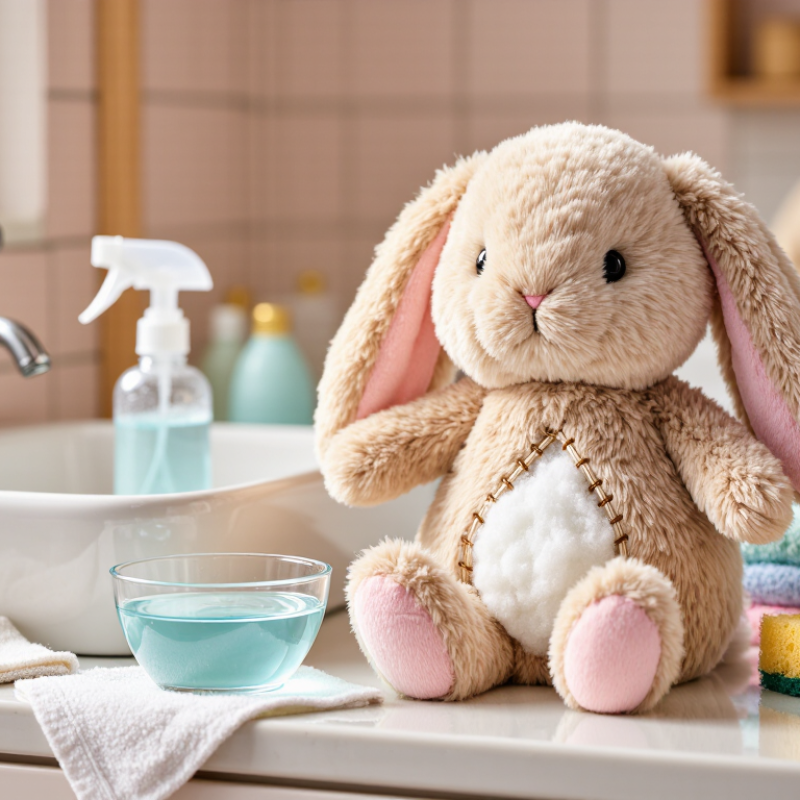
Why Should You Learn How to Wash Plush Toys Without Damage?

Why Proper Plush Toy Cleaning Helps Preserve Safety and Longevity

Proper cleaning protects more than a plush toy’s soft feel. Dust, skin oils, and spilled juice can settle deep in the pile, while damp stuffing may stay wet longer than expected. The U.S. Consumer Product Safety Commission estimated 231,700 toy-related injuries treated in emergency departments in 2023, in its Toy-Related Deaths and Injuries report. That figure covers toys broadly; it does not show that washing prevents injuries. Still, clean, intact toys are easier to inspect for loose seams, damaged eyes, or exposed filling. Small details matter.

Check the care label before washing. Remove batteries or sound modules when possible, and spot-clean toys that cannot be immersed. For washable toys, use cool water, mild detergent, and a mesh bag; air-dry fully before returning them to a child. More washing is not automatically better. Friction and heat can flatten pile, loosen stitching, or distort delicate parts.

WRAP’s 2017 Valuing Our Clothes report found that using clothing for nine extra months can reduce its carbon, water, and waste footprints by 20–30%. That finding concerns clothing, not plush toys, but it supports a useful principle: careful upkeep can help textiles last longer.

A toy that still smells damp needs more drying time, not another cuddle.

How to Check Fabric, Fillings, and Care Labels Before Washing

Before washing a plush toy, inspect its fabric in bright light. Minky, faux fur, felt, and knitted panels react differently to water and friction. Check seams, loose threads, glued eyes, and thin spots around the paws. Press the toy gently; a crunchy sound or lumpy feel may signal brittle filling or hidden damage. Small clues matter.

Read the care label, then compare it with the toy’s actual condition. “Surface wash” is not the same as machine washable. If the label is missing, identify the outer fabric and filling before choosing a method. Polyester fiberfill usually tolerates gentle handling better than foam pieces, pellets, or natural fillings, but construction varies.

AATCC TM150 measures fabric dimensional change as a percentage after controlled home laundering; it is a useful textile-testing reference, not a guarantee for every stuffed toy. ISO 6330:2021 also sets controlled domestic washing and drying procedures for textile tests. Keep that distinction in mind.

The label may not reflect an old repair, worn seam, or glued detail. I would pause before soaking a toy with any of these signs.

How to Remove Surface Dirt and Treat Stains Gently

Surface dirt often sits on plush fibers rather than deep inside the stuffing. Brush it away with a clean, soft-bristled brush, moving in the direction of the pile. For dust near seams, use a slightly damp white cloth and blot instead of scrubbing. The white fabric helps reveal whether color is transferring. Small steps matter.

For stains, test a drop of mild detergent on a hidden area first. Dab the mark with a clean cloth, working from its edge toward the center; this helps limit spreading. Use little water, and keep it away from glued details or openings where stuffing may stay damp.

AATCC Test Method 135, a professional textile-testing method, evaluates fabric dimensional change after one, three, or five home-laundering cycles. Those are test intervals, not a guarantee for plush toys: their fabrics, seams, and fillings vary.

Avoid heat until the stain is gone, since warmth can set some marks. It can be tempting to rub harder when a stain persists. That may roughen the pile, so pause, blot again, and accept that a faint mark may be safer than damaged fibers.

How to Wash Plush Toys Using a Suitable Cleaning Method

Choose a cleaning method based on the toy’s care label, fabric, and construction. A small plush toy with secure seams may tolerate a gentle machine cycle, while toys with glued details, batteries, or delicate fabrics usually need surface cleaning. Check for loose stitching before washing. A weak seam can open further when wet.

For a machine-washable toy, place it in a mesh laundry bag or clean pillowcase. Use cool water and a small amount of mild detergent on a delicate cycle. Avoid bleach and fabric softener, which may affect fibers or leave residue. For hand washing, gently press the toy in a basin of cool, soapy water, then rinse until the water runs clear. Don’t twist it. No wringing.

For surface cleaning, dab a hidden area with a damp cloth first to check for color transfer. Then wipe dirty spots with diluted detergent and a clean cloth. Avoid soaking the stuffing, since trapped moisture can take a long time to dry. Press out excess water with a towel and reshape the toy by hand. Let it air-dry fully in a ventilated place, away from direct heat. Check the inside before giving it back; a plush exterior can feel dry while the filling remains damp. It is tempting to rush this step, but patience matters.

How to Dry, Reshape, and Check Plush Toys After Cleaning

Drying is where a plush toy can lose its shape, so go slowly. Check its care instructions before choosing a method. Press the toy gently between clean towels to remove extra water; do not twist or wring it. Heat can flatten pile, weaken glued details, or shrink some fabrics. Air-dry it in a well-ventilated spot, away from direct sunlight and heaters. Turn it every few hours so damp areas underneath are not forgotten. Be patient.

While the toy is still slightly damp, smooth its fabric and guide the stuffing back into place with your hands. Pay attention to the head, paws, and seams, where filling can bunch. A clean, dry towel can help support the toy as it dries. Once it feels dry on the outside, check thicker areas by pressing them gently; a cool or damp feeling may mean more drying time is needed. Look for loose stitches, misshapen parts, color changes, or details that have come free. If a seam has opened, avoid pulling at it. Even careful reshaping may not restore the original feel, and that can be disappointing. Small checks matter.

FAQS

What should I check before washing a plush toy?

Inspect it in bright light. Look for loose threads, thin paw areas, glued eyes, and damaged seams. Small clues matter.

Can every plush toy go in a washing machine?

No. Check the care label and the toy’s condition. “Surface wash” does not mean machine washable.

How should I clean surface dust?

Use a clean, soft-bristled brush and follow the pile’s direction. Near seams, blot with a slightly damp white cloth.

What is a gentle way to treat a stain?

Test mild detergent on a hidden spot first. Dab from the stain’s edge toward its center with a clean cloth.

How can I avoid damaging delicate details?

Use little water around glued parts and openings. Scrubbing harder may roughen the pile. A faint mark may be safer.

What should I do before washing a toy with sound parts?

Remove batteries or sound modules when possible. If the toy cannot be immersed, spot-clean it instead.

How should I wash a toy labeled as washable?

Use cool water, mild detergent, and a mesh bag. Gentle handling helps, but it cannot fix worn seams.

How do I know when a plush toy is dry?

Let it air-dry fully before giving it back. If it still smells damp, it needs more drying time. No rush.

Conclusion

Learning how to wash plush toys without damaging them helps keep these comforting companions clean, safe, and in good condition for longer. Before washing, check the care label and examine the fabric, seams, and filling. Delicate materials, glued-on details, or electronic components may need spot cleaning rather than a full wash. Remove loose dust and surface dirt gently, then treat stains with a small amount of mild cleaner, testing it first on an inconspicuous area.

Choose a cleaning method suited to the toy’s construction, such as careful hand washing or a gentle machine cycle when the care instructions allow it. Avoid harsh scrubbing, excessive heat, and rough handling, which can harm fabric or distort the filling. After cleaning, press out excess water without twisting, reshape the toy, and let it dry thoroughly. Check the seams, texture, and shape before returning it to regular use.

Madeline

Madeline

Madeline is a dedicated marketing professional with a wealth of expertise in our company's core offerings. With a keen understanding of the industry, she brings a unique perspective to her role, consistently delivering high-quality content that highlights the superior aspects of our products. As......