Top Ways Plush Toys Affect Child Development?

Time:2026-09-28 Author:Madeline
0%

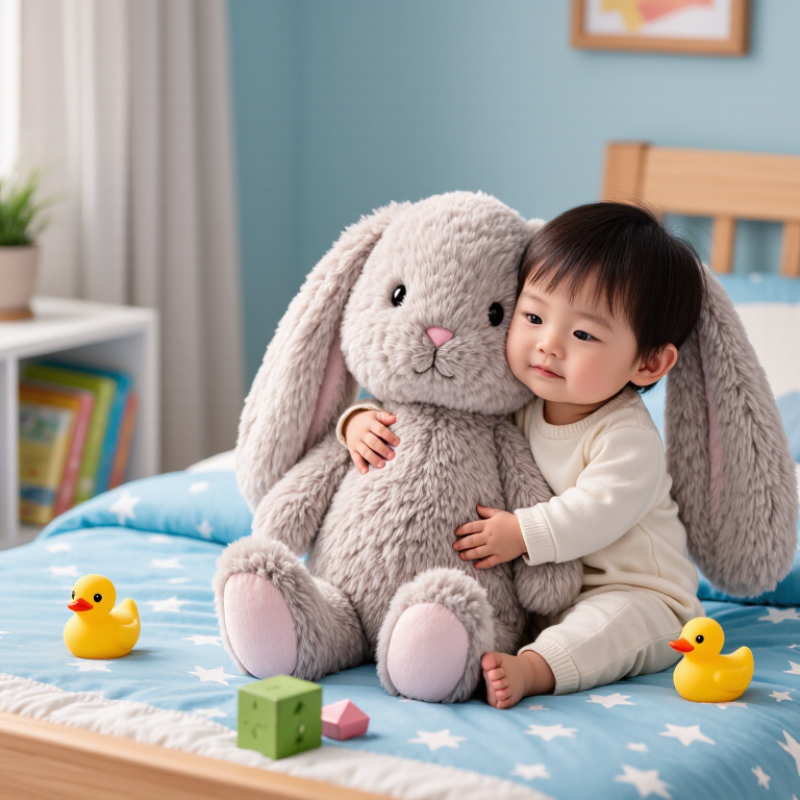
A plush toy may look like a simple bundle of fabric, but to a child, it can become a familiar part of everyday life. Parents often ask, “how do plush toys affect child development?” The answer depends on the child, the toy, and the situation. A soft companion may help a toddler settle at bedtime, practice pretend play, or face a new room with a little more confidence. It is not a substitute for attentive caregiving, and it will not affect every child in the same way.

British pediatrician and psychoanalyst D. W. Winnicott explored how children use familiar objects during moments of separation. In Playing and Reality, he wrote, “The transitional object is never under magical control like the internal object, nor is it outside control as the real mother is.” His work offers a useful lens, not proof that every plush toy has the same developmental effect. A worn ear or a familiar scent may matter to one child; another may leave the toy untouched.

These everyday details can open a closer look at emotional security, imaginative play, social learning, and independent routines. There are limits, too. A toy cannot interpret a child’s feelings or replace conversation, comfort, and responsive adults. Sometimes the attachment seems inconvenient, especially when the favorite bear must travel everywhere. That deserves reflection, not quick judgment. The sections ahead examine what research and child-development practice can reasonably tell us, where evidence is still limited, and how caregivers can support safe, balanced play.
Top Ways Plush Toys Affect Child Development?

Emotional Comfort and the Development of Self-Regulation

A plush toy can offer a child a familiar point of comfort during small but difficult moments. A preschooler might clutch its worn ear at drop-off or hold it while settling into bed. The soft texture and predictable presence can make an unfamiliar routine feel more manageable. This comfort does not mean the toy replaces a caring adult. It can sit beside a child while an adult listens and helps name the feeling.

With time, children may use a plush toy as part of practicing self-regulation. A caregiver might say, “Teddy looks worried. Do you feel worried too?” The child can choose to talk, cuddle the toy, or take a slow breath together. These simple moments connect feelings with calming actions. Progress is rarely neat. Some days, the toy helps; other days, a child still needs close adult support.

It helps to let the child guide the relationship with the toy, rather than insisting it must soothe them. A favorite plush may be left untouched for weeks, then suddenly become important again. That can be hard to interpret. Adults can observe what happens around transitions and offer comfort without turning the toy into a test of independence. A child’s way of calming down may look different from what an adult expects.

Emotional comfort and self-regulation

A familiar plush toy may offer comfort during stressful moments, but it does not guarantee or cause developmental milestones. The chart shows selected CDC social-emotional milestones by the age they are commonly expected—not the effects of plush toys.

Source: CDC developmental milestones.

Imaginative Play and the Growth of Cognitive Skills

A plush toy can become a patient, a shop customer, or a passenger on a cardboard bus. In these pretend scenes, children decide what happens next and keep track of simple rules. “The bear is sick” might lead to choosing a blanket, preparing pretend soup, and arranging a visit. Small choices like these give children practice with planning, memory, and flexible thinking. The toy does not teach these skills by itself. The child’s ideas drive the play.

Stories also invite children to use language and explore different points of view. A child may give a toy a worried voice, then imagine what could help. That can create chances to name feelings and try out solutions in a low-pressure setting. Keep the play open-ended. A few toys, a spoon, and a scarf may offer more room for invention than a tightly scripted game. Follow the child’s lead, and ask gentle questions when they seem welcome. Some days, the bear gets a whole adventure. Some days, it just sits on the sofa. Both are fine. It is worth remembering that pretend play is one part of development, not a measure of intelligence or a guaranteed route to specific skills.

Language Development Through Playful Conversations

A plush toy can give a child a low-pressure partner for practicing words. During pretend play, a teddy bear might “ask” for a cup, feel worried about thunder, or need help finding its shoe. An adult can answer, then leave space for the child to reply: “What should Bear say?” These small exchanges invite children to name objects, describe feelings, and take conversational turns. Keep the language simple, then gently add detail to the child’s words. If a child says, “Bear sad,” an adult might respond, “Yes, Bear feels sad because the rain is loud.” It can feel a little repetitive. That is part of the practice.

The CDC’s 2022 developmental milestone guidance says milestones reflect skills achieved by at least 75% of children by a given age. Its checklist includes combining two words by age two and having at least two back-and-forth conversational exchanges by age three. These are useful reference points, not a diagnosis. The American Academy of Pediatrics’ 2014 literacy-promotion report also emphasizes responsive, shared interactions as support for early language and literacy. A plush toy can help create those moments, but it cannot replace warm conversation with adults. Some children prefer to listen before speaking, and some pretend scenes simply stall. Follow the child’s interest, offer a few words, and give them time to answer.

Social Learning, Empathy, and Relationship Skills

Plush toys can give children a low-pressure way to practice social exchanges during play. A child might ask a teddy bear to share a blanket, take turns choosing a story, or apologize after a pretend argument. These scenes let adults notice how children explore fairness, care, and feelings, without treating one play session as a test. When a child says, “She feels left out,” the toy becomes a prop for naming emotions. Small moments matter.

Caregivers can join briefly and model gentle questions: “What might help?” or “Should we ask before borrowing?” Then leave room for the child to lead; too much prompting can make play feel like a lesson. Children may comfort a toy, include it in a game, or invent a repair after a disagreement. These pretend actions can support empathy and perspective-taking, though they do not guarantee kind responses in real situations. Relationships are messier.

A plush companion can also help a shy child rehearse greetings, invitations, or bedtime conversations before trying them with people. A parent might hear, “Can you sit with me?” during play and gently offer that phrase for use with a sibling. Not every child uses toys this way; some prefer drawing, movement, or direct conversation. A toy cannot replace responsive adults or time with peers, but it can give children a familiar setting to explore what caring for someone might sound like.

Sensory Exploration and Fine Motor Development

A plush toy gives a child a simple way to explore texture, weight, and shape. Soft fur feels different from a smooth nose or stitched ear. Children may rub, squeeze, pat, or press these surfaces, noticing how each feels under their fingers. Quiet play can also invite sensory exploration. A child might hold the toy against their cheek, then set it on a cool table. Small differences matter. These experiences do not guarantee developmental gains, and children respond in their own ways. Some prefer watching before touching.

Handling a plush toy can exercise small hand movements. Picking it up, turning it over, or pinching a fabric tag may involve fingers and thumbs working together. A child can practise grasping by reaching for an ear, then use both hands to pull a blanket around the toy. Older toddlers might try fastening a simple fabric strap or placing the toy inside a small bag. These actions can support fine motor practice during ordinary play. Keep toys clean and suited to the child’s age, and check for loose parts. I sometimes expect a toy to hold a child’s attention longer than it does. That is not a failure; interest shifts, and a different texture or play idea may fit better.

FAQS

How can a plush toy comfort a child during a difficult transition?

A familiar toy may help at drop-off or bedtime. Its soft, worn ear can feel reassuring. It does not replace a caring adult.

Can a plush toy help children practice calming down?

Yes, it can be part of simple routines. An adult might name a feeling, cuddle together, or take a slow breath. Some days, it helps. Some days, it doesn’t.

Should adults encourage a child to use a favorite toy?

Let the child decide. A toy may sit untouched for weeks, then become important again. That can be hard to interpret, and it is not a test of independence.

What kinds of skills can pretend play support?

A child might make the toy a patient, then find a blanket and pretend to prepare soup. These scenes can involve planning, memory, and flexible thinking. The child’s ideas lead the play.

How can adults encourage imaginative play?

Offer a few everyday props, such as a spoon, scarf, or cardboard box. Follow the child’s lead and ask gentle questions. Some days, the toy just sits on the sofa. That’s fine.

Can pretend conversations with a toy support language development?

They can give children a low-pressure chance to name objects, describe feelings, and take turns. An adult might ask, “What should Bear say?” Then wait for a reply.

How should adults respond to a child’s first words in play?

If a child says, “Bear sad,” an adult can add, “Bear feels sad because the rain is loud.” Repeating words may feel a little awkward. It can still offer useful practice.

Are developmental milestones a diagnosis?

No. Milestones are reference points, not a diagnosis. Many children combine two words around age two and have back-and-forth exchanges around age three, but children develop at different paces.

Conclusion

Plush toys can support children’s growth in several meaningful ways. How do plush toys affect child development? They can offer emotional comfort, helping children feel secure and practice calming themselves during moments of stress or change. Through imaginative play, children create stories, explore ideas, and work through everyday experiences, strengthening creativity, memory, and problem-solving skills.

Pretend conversations with a favorite toy also give children opportunities to practice new words, express thoughts, and build confidence in communication. When children include toys in play with others, they can explore sharing, empathy, cooperation, and relationship skills. Holding, squeezing, dressing, or moving a plush toy can further encourage sensory exploration and fine motor coordination. These benefits depend on each child’s interests and experiences, but a simple toy can become a helpful companion for learning through play.

Madeline

Madeline

Madeline is a dedicated marketing professional with a wealth of expertise in our company's core offerings. With a keen understanding of the industry, she brings a unique perspective to her role, consistently delivering high-quality content that highlights the superior aspects of our products. As......