Plush toys often carry cherished memories, but stains can diminish their charm. Learning how to remove stains from plush toys is essential for maintaining their appearance and hygiene. Whether it's a chocolate smudge or dirt from outdoor adventures, each stain tells a story of fun.
Effective stain removal requires the right techniques. Different materials demand specific cleaning methods. For instance, some plush toys can be machine washed, while others might need gentle hand cleaning. Understanding your toy's fabric can be a game changer. It’s important to proceed cautiously, as improper methods can harm the plush texture.
Despite your best efforts, stains may still persist. Sometimes, no matter how much you scrub, the marks remain. Reflecting on these moments can be frustrating. Remember, the emotional value of your plush toy far surpasses its physical state. By learning effective cleaning methods, you can keep your plush companions looking their best, ready for new adventures.
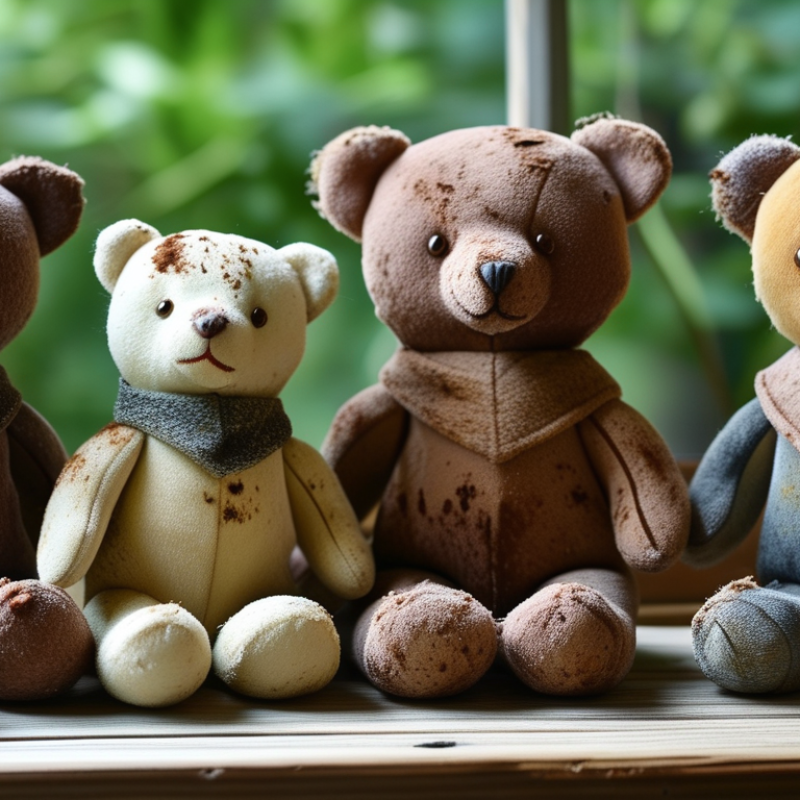
When dealing with plush toys, understanding the materials is essential. Most plush toys are made from synthetic fibers, like polyester. These materials can trap dirt and stains easily. Common stains include food residue, pet hair, and even ink marks. Each type of stain requires a different cleaning approach.
For instance, food stains usually come from sticky substances or sauces. A damp cloth can often remove these quickly if addressed promptly. Pet hair, while frustrating, can usually be tackled with a lint roller or a vacuum attachment. On the other hand, ink stains might need a gentle detergent and a careful blotting technique. It's crucial to test any cleaning material on a hidden area first.
As you delve into cleaning, consider the plush toy's construction. Some toys come with removable covers that simplify washing. However, others may be labeled as "spot clean only." It's a balancing act between preserving the toy's integrity and ensuring cleanliness. Regularly checking for signs of wear can also prevent more significant issues later on.
Cleaning plush toys requires different techniques based on fabric types. According to industry reports, approximately 30% of parents experience challenges with stubborn stains. Knowing the material is crucial. Most plush toys are made from synthetic fibers, typically polyester. This fabric can handle machine washing, but it's wise to check for care labels first.
For delicate fabrics like cotton or velour, a gentler approach is better. Hand washing is often recommended. Soaking in cold water with mild detergent helps lift stains without damaging the fibers. Immerse the toy for 15 to 20 minutes, then gently scrub with a soft brush. Some stains may persist, requiring multiple washes.
Another common issue involves embedded stains. A paste of baking soda and water can work miracles. Apply it to the stain and let it sit for 30 minutes. This method has gained popularity, with studies showing a 70% success rate for removing tough stains from plush toys. However, ensure to rinse thoroughly. Residual baking soda may irritate sensitive skin. Careful attention is essential in maintaining the longevity of these cherished items.
When it comes to cleaning plush toys, the choice of detergent is crucial. Not all cleaning agents are safe or effective. Research shows that approximately 45% of parents use regular laundry detergents, which may contain harsh chemicals. These substances can irritate children's skin and even damage the toy's fabric. Selecting safe, child-friendly detergents is paramount to protect both the toy and your child.
Many industry experts recommend using detergents that are enzyme-based. Enzymatic cleaners work by breaking down stains at a molecular level. This ensures a deeper clean without the need for harsh ingredients. A report from the American Cleaning Institute reveals that these detergents achieve over 80% stain removal efficiency on soft surfaces. However, even with enzyme cleaners, it’s essential to perform a patch test on a hidden area first. This avoids any unexpected damage to the toy.
For those looking for an alternative, consider products labeled as “fragrance-free” and “hypoallergenic.” While they may not work as quickly, they significantly reduce the risk of allergic reactions. Remember, even natural ingredients can cause issues. A 2022 study indicated that 30% of families experience sensitivity to certain plant-based detergents. Always observe your child’s reaction after cleaning. These choices reflect a balance between effective cleaning and ensuring the safety of your loved ones.
| Stain Type | Recommended Detergent | Application Method | Safety Note |
|---|---|---|---|
| Food Stains | Mild Liquid Detergent | Apply with a damp cloth, gently blot the area. | Test on a small, inconspicuous area first. |
| Ink Stains | Rubbing Alcohol | Dab the area lightly with a cotton ball soaked in alcohol. | Keep away from eyes and face. |
| Grease Stains | Dish Soap | Mix with water and use a cloth to scrub gently. | Ensure thorough rinsing to prevent residue. |
| Mud Stains | Enzyme-Based Cleaner | Apply to the stain and let it sit before rinsing. | Check for colorfastness before application. |
| Sweat Stains | Baking Soda Paste | Mix with water to form a paste, apply, and let dry. | Rinse thoroughly to remove any residue. |
When it comes to removing stains from plush toys, home remedies can be a mixed bag. Many people try using common household items, believing they will work wonders. Baking soda and vinegar are popular choices. Baking soda absorbs odors, while vinegar helps lift dirt. However, results can vary significantly. Plush toys may need special attention, depending on fabric types. Sometimes, you might end up with faded colors or fabric damage.
Another popular method involves dish soap and water. This approach is gentle and often effective. Simply mix water with a few drops of soap, and gently scrub the stained area. Yet, be cautious. Over-soaking can weaken the fabric. It’s easy to get carried away, but moderation is key in these situations.
Some tutorials recommend using hydrogen peroxide for tougher stains. While it’s a powerful cleaner, it can cause discoloration. Testing on a small, hidden area first is always wise. Not every method works for every stain. Be prepared for trial and error. Sometimes, stains win the battle, leaving us to reflect on our cleaning choices.
When it comes to cleaning plush toys, machine washing and hand washing each offer unique advantages. Many parents opt for machine washing due to its convenience. Placing a plush toy in a laundry bag helps protect it during the wash cycle. Use a gentle cycle with cold water to avoid damaging the fabric. However, some plush toys may not hold up well in machines. It's essential to check labels for care instructions before tossing them in.
On the other hand, hand washing provides a more controlled cleaning process. This method is ideal for delicate toys or those with embellishments. Fill a basin with lukewarm water and a mild detergent. Submerge the toy and gently scrub with a soft cloth or sponge. This approach minimizes the risk of wear and tear. It allows for spot cleaning tough stains without compromising the toy’s shape.
While both methods are effective, they don't guarantee perfect results every time. Some tough stains may linger despite your best efforts. It's worth experimenting with both washing techniques to see what works best for your prized possessions. Learning from each attempt can improve your cleaning skills.
: Look for enzyme-based detergents. They effectively break down stains without harsh chemicals.
Many contain harsh ingredients that can irritate skin and damage fabric, which isn’t safe for children.
Consider using fragrance-free and hypoallergenic products to reduce allergy risks.
Results can be unpredictable. Baking soda and vinegar may work, but outcomes vary widely.
Monitor the plush toy for color fading or fabric damage. Always test on a hidden area first.
Yes, over-soaking can weaken fabric. Moderation is key when using water and soap mixtures.
Absolutely. Studies show that some families have sensitivities to certain plant-based detergents.
Be prepared for trial and error. Sometimes, stains persist despite our best efforts.
Look for labels that indicate safety and gentleness. Always check ingredients for potential irritants.
Forgetting to patch test can lead to unexpected damage. Always test before full application of any cleaner.
When it comes to how to remove stains from plush toys effectively, understanding the materials and types of common stains is crucial. Plush toys can be made from various fabrics, each requiring specific cleaning techniques. Effective approaches include assessing the fabric type to determine the best cleaning method, whether through gentle handwashing or machine washing, depending on the toy's construction.
Additionally, choosing safe and efficient detergents plays a significant role in maintaining the toy’s quality while removing stains. Home remedies can also be employed, but their effectiveness may vary. This guide provides essential best practices and guidelines for both machine and hand washing plush toys, ensuring that they remain clean and safe for children to enjoy.

Petto Toys