Keeping plush toys clean is essential for the health and safety of children. Many families are unsure about how to disinfect plush toys at home effectively. These toys often harbor dirt, dust, and germs. Regular cleaning can help reduce the risk of illness.
Disinfecting plush toys is not as straightforward as it may seem. Some materials are delicate and can be damaged in the washing machine. Others might lose their shape or texture after cleaning. Parents need reliable methods to ensure toys remain safe for playtime. Using appropriate techniques is key.
In this guide, we will explore safe and effective methods for how to disinfect plush toys at home. We'll cover various cleaning methods suitable for different materials. This includes washing, spot cleaning, and using disinfectants. Knowing these methods can help keep your child's toys hygienic without sacrificing their beloved softness.
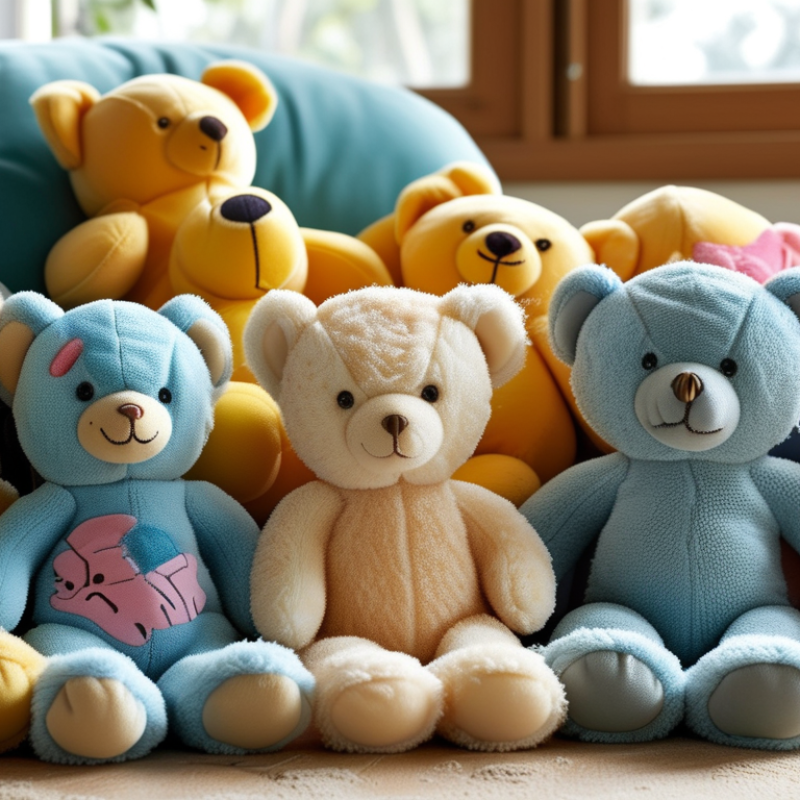
When considering how to disinfect plush toys, selecting the right method is crucial. Plush toys can harbor germs, especially if they belong to young children who often put them in their mouths or use them as comfort objects. One effective method is laundering. Most plush toys can be machine-washed. Use hot water and a mild detergent to eliminate bacteria. However, this approach may wear out the toy faster. It’s worth checking the label for any specific washing instructions.
For toys that cannot be washed, steam cleaning is an alternative. Steam can kill germs without damaging the fabric. A handheld steamer works well for this. Still, it’s essential to apply the steam evenly to avoid wet patches. Another option is to use a disinfecting spray, ensuring it's safe for the fabric. Test a small area first to prevent discoloration. However, reliance on sprays may not eliminate all germs, so combining methods can boost effectiveness.
Some plush toys might be delicate or intricate. They require careful handling. Over-washing or aggressive cleaning can damage them. It's important to regularly inspect these toys for wear and tear. Think about how often they are used and consider a schedule for routine disinfection. Finding a balance between cleaning and preserving the toy's integrity is key.
Before disinfecting plush toys, it’s important to prepare them properly. Begin by examining each toy for any damages. Look for loose seams or any missing parts. Repairing these areas can prevent further damage during disinfection.
Next, remove any accessories like clothing or ribbons. These items may require different care, and removing them can help ensure a thorough clean. Shake the plush toys to remove dust and debris. This step may seem minor, but it helps to enhance the effectiveness of the disinfection process.
Finally, place the toys in a mesh laundry bag or pillowcase. This provides extra protection during washing while allowing effective cleaning. Setting your washing machine to a gentle cycle can be a useful tip. After preparing the toys, you are ready to move to the actual disinfection step. Every detail counts in keeping plush toys safe and clean.
When it comes to keeping plush toys clean, machine washing can be a practical solution. Studies suggest that plush toys can harbor bacteria, with about 80% of children's toys containing various germs. To effectively disinfect these toys, follow this detailed guide.
Before washing, always check the care label on the plush toy. Remove any detachable parts before placing it in the machine. Use a mesh laundry bag to protect delicate toys. For best results, wash on a gentle cycle with cold water to prevent damage. Adding a gentle detergent helps to eliminate dirt without compromising the toy's material.
After the wash, it's crucial to dry the plush toy properly. Air drying is recommended, especially for toys with electronic parts. If machine drying is preferred, use a low heat setting. As a tip, balance the load with towels to minimize wear and tear and maintain the shape of the toys.
Reflecting on these practices, some families bypass washing plush toys altogether. This can lead to a build-up of allergens and germs. Regular cleaning habits promote hygiene and ensure the longevity of these beloved items. Proper care reflects a commitment to both health and the lifespan of your child's favorite toys.
When it comes to disinfecting plush toys, safe chemicals are a top priority. Many families worry about the harsh effects of conventional cleaners. Identifying gentle options can ease these concerns. For a hand-washing method, consider using a mild dish soap or a laundry detergent designed for delicate fabrics. This helps remove dirt and germs without causing damage.
Start by filling a basin with warm water and a small amount of your chosen soap. Submerge the plush toy gently, allowing it to soak. Pay attention to areas that are often touched or prone to stains. For stubborn spots, you might need to use a soft brush. Take your time and avoid aggressive scrubbing. It’s crucial to rinse well to remove any soap residue, which can irritate sensitive skin.
Once rinsed and excess water is squeezed out, consider air drying. A sunny spot can help eliminate remaining viruses, as UV light is a natural disinfectant. However, be mindful; prolonged sun exposure might discolor some fabrics. Reflect on these factors when choosing your cleaning strategy, and always prioritize the safety of your child. It's okay to explore different methods and find what works best for your household.
When it comes to disinfecting plush toys, proper drying and storage are crucial. After washing, remove excess water carefully. Avoid wringing the toys as it can damage the fabric. Instead, gently press down with a towel. This method helps maintain the shape of the toy while ensuring adequate moisture is removed.
Drying plush toys completely is essential to prevent mold growth. The CDC recommends drying fabrics under high heat for at least 30 minutes to kill potential pathogens. If possible, use a dryer. Air drying is another option, but ensure toys are placed in a well-ventilated area, away from direct sunlight to prevent fading.
Tips for storage include placing disinfected plush toys in a cool, dry environment. Use breathable containers or simply store them in an open space. Avoid damp areas, as moisture can lead to bacterial growth. Regularly inspect stored toys for signs of dust, mold, or damage. It's a good habit to refresh their cleanliness every few months to ensure they stay safe for play.
| Step | Description | Duration | Notes |
|---|---|---|---|
| 1 | Remove accessories and check for care labels | 5 minutes | Ensure safety while washing |
| 2 | Wash in machine or by hand with disinfectant soap | 15-30 minutes | Use gentle cycle if machine washing |
| 3 | Rinse thoroughly to remove soap | 5 minutes | Ensure no soap residues are left |
| 4 | Dry the plush toy properly | 1-2 hours | Air dry recommended; avoid direct sunlight |
| 5 | Store in a clean, dry place | As needed | Preferably in a breathable bag |
: Check the care label first. Remove detachable parts and place the toy in a mesh bag.
Use a gentle cycle with cold water. This prevents damage to the toy's material.
Use a gentle detergent to eliminate dirt without harming the plush toy.
Air drying is preferred, especially for toys with electronic parts. Avoid direct sunlight.
Regular cleaning habits are important. Not washing can lead to allergens and germs buildup.
Store them in a cool, dry place. Avoid damp areas to prevent bacterial growth.
No, use mild dish soap or delicate laundry detergent to avoid damaging the toy.
Gently scrub with a soft brush and be careful not to over-scrub the fabric.
Yes, sunlight can help, but don’t expose toys too long, as it might cause discoloration.
Inspect regularly for dust, mold, or damage, and refresh their cleanliness every few months.
In the article "How to Effectively Disinfect Plush Toys at Home," readers are guided through the essential steps of safely disinfecting their beloved toys. It begins with choosing the right disinfection method based on the material and condition of the plush toys. Preparing the toys through initial cleaning steps ensures that they are ready for the disinfection process.
The article then details a step-by-step guide to machine washing, along with instructions for using safe chemicals for hand washing for those who prefer that method. Finally, it emphasizes the importance of properly drying and storing the disinfected plush toys to maintain their quality and cleanliness. This comprehensive approach effectively addresses how to disinfect plush toys at home, ensuring a safe environment for children.
Petto Toys