Choosing the right plush toy from China requires more than comparing colors, prices, and cartoon characters. Parents, retailers, and importers must consider a child’s age, hand strength, sensory needs, and play habits. This is the practical starting point for understanding how to choose plush toys by age group.
Dr. Stevanne Auerbach, founder of Dr. Toy, said, “Toys are tools for learning, imagination, and social development.” Her view highlights an important point: a plush toy should support safe, meaningful play, not merely look attractive on a product page. For infants, choose soft toys with securely stitched features, short or embroidered details, and washable fabrics. Avoid loose ribbons, detachable eyes, long fibers, and small accessories. For toddlers, select durable plush animals that can survive squeezing, carrying, and repeated washing. Clear age labels matter.
Older children may enjoy larger characters, interactive designs, or educational themes. However, batteries, sound modules, and decorative parts need careful inspection. When sourcing from China, request material specifications, sample testing, seam-strength information, and quality-control records. A reliable supplier should explain production details clearly, not hide behind attractive photographs. Factory experience helps, but it does not guarantee every shipment will be perfect.
No checklist is perfect. I would not pretend that age alone determines suitability. Children develop differently, and supervision still matters. A toy that feels harmless may contain a weak seam or an irritating fabric finish. Careful buyers should inspect samples personally and review applicable safety requirements before ordering. This guide will connect age-based development with practical sourcing decisions, helping readers choose plush toys with greater confidence and fewer avoidable surprises.
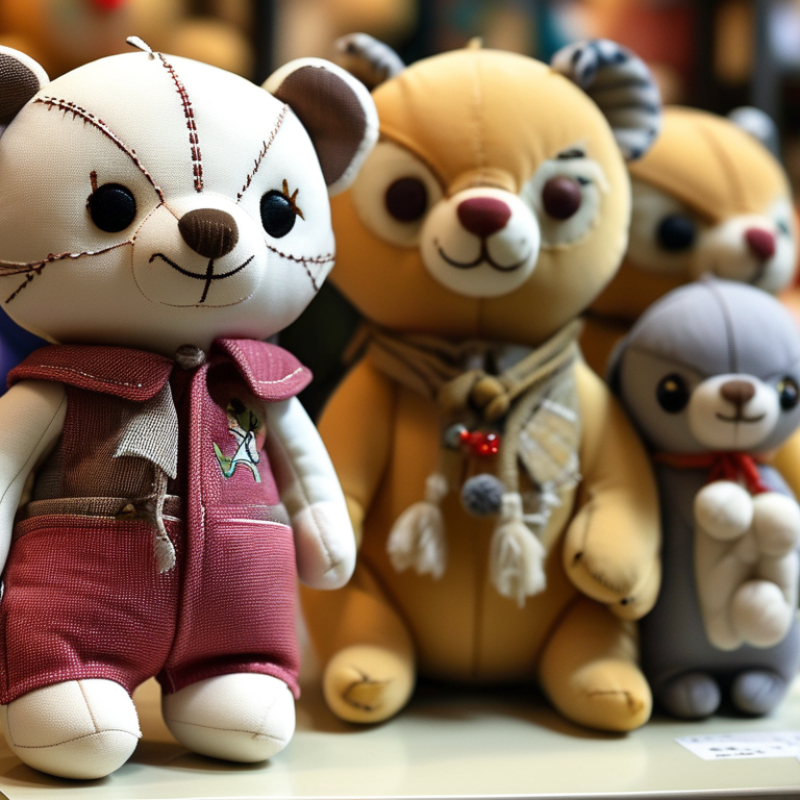
Choosing plush toys from China requires more than checking softness and appearance. Age-based safety should guide every purchase.
For infants under three years, avoid loose eyes, buttons, ribbons, long fur, and detachable accessories. Seams must resist pulling, and stuffing should remain enclosed after repeated squeezing. A toy should also carry a clear age label.
For children aged three to six, inspect small parts, embroidered features, and washable surfaces. Ask the supplier for material information, production records, and independent laboratory test reports.
Confirm testing against the safety requirements of your destination market, such as limits for chemicals, flammability, and mechanical hazards. Do not rely on a general certificate. It may not cover the exact toy.
In my experience, samples can look excellent while later batches feel different. That deserves attention.
Tips:
Request a sealed production sample before placing a large order. Pull the ears, eyes, and tail gently. Check for loose threads, sharp points, unpleasant odors, and uneven stitching. Wash the toy as instructed, then inspect it again.
For babies, choose short-pile fabric and embroidered details instead of plastic parts. For older children, interactive features should have secure battery compartments and no accessible wiring.
Keep records of batch numbers and inspection results. No checklist is perfect. A careful buyer still needs to question unclear answers and repeat checks when materials or suppliers change.
For infants, plush toys should feel soft, light, and simple. Choose short-pile fabric that does not shed fibers easily. Embroidered eyes are safer than plastic parts or glued decorations. Seams need tight stitching, especially around ears, limbs, and the mouth. Avoid long ribbons, loose threads, and small attached accessories. A baby may pull, chew, or sleep beside the toy.
Size matters. A toy should be large enough to avoid swallowing, but small enough for little hands to grasp. Lightweight filling helps prevent accidental pressure on the face. Breathable fabric can also reduce discomfort during warm weather. From practical product checks, I look for washable materials, clear care instructions, and color that remains stable after cleaning. One wash is not enough. Repeated washing reveals weak seams and rough fabric.
Toddlers often need more texture and interactive details. Choose varied surfaces, gentle sounds, and firmly stitched features. Avoid detachable parts that can become choking hazards. When reviewing suppliers in China, request material information, production samples, and independent safety test records. Factory photos can help, but they do not replace physical inspection. A colorful toy may still have poor stitching. That mistake is easy to miss. Parents should inspect the toy regularly, especially after rough play, because even a well-made plush toy can eventually develop loose threads or damaged seams.
| Age Group | Developmental Focus | Recommended Plush Toy Features | Suitable Size and Weight | Materials and Construction | Safety Considerations | Care Guidance |
|---|---|---|---|---|---|---|
| 0–3 months | Visual tracking, gentle sensory stimulation and supervised tummy-time interaction. | Simple shapes, high-contrast details, soft textures, embroidered facial features and no detachable accessories. | Lightweight, easy for an adult to handle; avoid oversized or heavily weighted designs. | Short-pile or smooth fabric, securely stitched seams and soft, resilient filling. | Use only during direct supervision. Keep plush toys out of the infant's sleep area because loose soft objects can create a suffocation risk. | Follow the care label; inspect seams and embroidery before every use and wash regularly. |
| 3–6 months | Grasping, reaching, tactile exploration and early hand-to-mouth exploration. | Easy-grip sections, rounded edges, varied but gentle textures and optional low-volume crinkle panels secured inside the toy. | Small enough to grasp comfortably but large enough that no part can fit fully into a child's mouth. | Washable polyester or cotton-blend outer fabric with colorfast printing or embroidery. | Avoid loose ribbons, plastic eyes, beads, magnets, long cords and accessible filling. Check that all components remain firmly attached after washing. | Machine wash only when permitted by the care label; dry completely to help prevent odor and mildew. |
| 6–12 months | Sitting, crawling, object transfer, cause-and-effect learning and increased oral exploration. | Simple animal or character forms, sewn-in loops, textured surfaces and securely enclosed sound elements designed for quiet sensory play. | Light enough to lift and carry; select a shape without narrow openings or small removable parts. | Durable fabric, reinforced stitching and non-toxic materials suitable for frequent handling and washing. | Use toys designed and labeled for the child's age. Do not choose products with button batteries, accessible magnets or detachable eyes and noses. | Wash after heavy use, food contact or illness; replace the toy if stuffing becomes exposed or seams open. |
| 12–24 months | Walking, pretend play, vocabulary development, emotional attachment and simple problem solving. | Recognizable faces, simple clothing that is permanently secured, basic interactive elements and textures that support imaginative play. | Medium-sized toys that are easy to hug and carry without creating a trip hazard. | Soft, colorfast plush fabric; reinforced stress points such as ears, arms, tails and clothing seams. | Avoid long pile that can shed, long cords, sharp internal supports and accessories that can be pulled off or swallowed. | Clean according to the label and examine the toy regularly for loose threads, broken seams or detached decorations. |
| 2–3 years | Role play, storytelling, social-emotional expression, coordination and independent play. | More detailed characters, washable removable clothing only when age-appropriate, simple fastening practice and story-based designs. | Comfortable to carry and hold; larger designs should remain lightweight and flexible. | Abrasion-resistant fabric, secure seams and filling that retains its shape after repeated use. | Check the recommended age, safety labeling and component security. Keep small accessories away from children who still mouth objects. | Use routine cleaning and allow the plush toy to dry fully before returning it to the child. |
Selection reminder: Always check the product's age grading, warning labels, care instructions and applicable toy-safety requirements for the destination market. Adult supervision is recommended whenever a child plays with a plush toy.
For preschool children, the best plush toys use simple shapes and friendly expressions. Choose short-pile fabric that feels soft but does not shed easily. Embroidered eyes and noses are safer than small plastic pieces. Avoid loose ribbons, detachable accessories, and long cords. Small details matter.
A practical preschool design is a 20–30 centimeter animal with reinforced seams and washable filling. It should be light enough for small hands to carry. In my experience, children often pull ears, tails, and limbs during play, so these areas need careful stitching. Ask Chinese manufacturers for sample testing, seam-strength records, material details, and current third-party safety reports. Do not rely on photos alone. Test it yourself.
School-age children usually want more personality and play value. Consider plush animals with reversible expressions, textured fabrics, gentle sound features, or pockets for imaginative games. Educational themes can introduce nature, emotions, or basic storytelling without making the toy feel like a lesson. Designs should remain durable and easy to clean after repeated use. I once underestimated how quickly pale fabric shows fingerprints. That design looked beautiful in a showroom, but it needed darker accents for real homes. Check colorfastness, odor, stuffing recovery, and wash performance before approving production. Age labels should match the toy’s actual features, not only its appearance.
For teens, plush toys should feel expressive without looking too childish. I look for balanced shapes, soft textures, and colors that suit bedrooms, backpacks, or study desks. A 25–35 centimeter size is usually easy to hold and display. Embroidered eyes are safer than small attached parts. Loose decorations can become a practical concern. Teens often carry plush toys outside, so washable fabric and firm stitching matter. Softness is not enough.
Adult collectors usually examine construction more closely. They notice facial symmetry, dense but flexible stuffing, neat seams, and consistent fabric color. Some prefer unusual textures, muted palettes, or carefully designed character details. Ask the Chinese supplier for a physical sample, material information, and inspection records before placing a larger order. Factory photographs help, but they do not prove quality. I also check colorfastness, odor, seam strength, and packaging protection. Small details become expensive later.
Display conditions deserve attention. Sunlight may fade bright fabrics, while dusty shelves can damage delicate surfaces over time. A collector-friendly design should stand or sit securely without constant adjustment. I once chose a beautiful sample with weak stitching around the ears. It looked perfect in photographs, but repeated handling exposed the problem. That mistake changed my checklist. Now, I test stress points by hand and ask whether the toy remains attractive after washing and long-term display.
Choosing plush toys from China starts with the child’s age, but quality verification should guide every decision. For babies, request embroidered facial features, secure seams, short pile fabric, and filling that cannot escape. Older children may use longer fur or decorative details, but each attachment still needs pull testing. Ask whether the toy matches the target market’s requirements, such as EN 71, ASTM F963, or other applicable standards.
Material claims need evidence. Request fabric composition, filling details, colorfastness results, flammability tests, and chemical safety reports. Check that each document names the exact product, material, and tested sample. A recycled polyester claim sounds responsible, but it means little without traceability or supporting records. Samples should be washed, squeezed, and inspected around the eyes, ears, and neck. Small defects often appear there.
Supplier checks require more than attractive photographs. Confirm the company’s registered information, factory address, production capacity, and quality-control process. Ask whether production is handled in-house or through subcontractors. A factory visit can help, although one polished visit may not reveal routine problems. Independent inspections before shipment provide stronger evidence. I have found supplier questionnaires useful, yet they can encourage overly confident answers. Keep written specifications, approved samples, inspection tolerances, and corrective actions in one file. That record makes disagreements easier to examine.
: Choose short-pile fabric and embroidered eyes. Avoid buttons, ribbons, long fur, cords, and detachable parts. Seams should survive repeated pulling. The stuffing must stay enclosed after squeezing. Clear age labeling is essential.
Embroidered eyes are usually a safer choice. Plastic eyes can loosen during play. Gently pull each eye, ear, and tail. Any movement deserves attention.
Choose simple shapes, friendly expressions, and washable surfaces. A 20–30 centimeter animal is often easy to carry. Reinforced seams matter because children may pull the limbs. Small details can fail quickly.
Ask for material details, production records, seam-strength results, and current independent test reports. Request a sealed production sample. Do not rely on photographs alone. Samples and later batches may differ.
Check for loose threads, sharp points, uneven stitching, and unusual odors. Pull the ears, eyes, and tail gently. Wash the sample as instructed. Inspect it again afterward. My judgment can still be wrong.
Consider reversible expressions, textured fabrics, gentle sounds, or small imaginative-play pockets. Educational themes may include nature, emotions, or simple storytelling. The toy should remain durable and easy to clean.
Battery compartments should close securely. Wiring must remain inaccessible. Test the feature repeatedly. If the compartment opens too easily, reject the design.
Check colorfastness, stuffing recovery, odor, and wash performance. Pale fabric may show fingerprints quickly. Darker accents can be more practical. The showroom impression may mislead you.
Not always. A general certificate may not cover the exact toy or its current batch. Confirm requirements for your destination market. Repeat checks when materials or suppliers change. No checklist is perfect.
Choosing the right plush toy requires understanding how age, safety, design, and materials work together. This guide explains how to choose plush toys by age group, beginning with safety standards for infants and toddlers, including secure stitching, embroidered details, non-toxic fabrics, and appropriately sized parts. It also explores soft, washable, lightweight designs that are easy for young children to hold and suitable for supervised play.
For preschool and school-age children, the focus shifts to creative shapes, educational themes, interactive features, and durable construction. Teens and adult collectors may prefer detailed designs, limited-style concepts, artistic presentation, or display-friendly materials. The guide also outlines how to verify product quality, inspect fabric and filling, review safety documentation, assess manufacturing consistency, and communicate effectively with suppliers in China. By considering both the child’s developmental stage and the supplier’s reliability, buyers can select plush toys that are safe, appealing, durable, and appropriate for their intended users.

Petto Toys