When it comes to stuffed animals, many cherish these soft companions. They carry memories, provide comfort, and often become irreplaceable treasures. However, they can also collect dust, dirt, and odors over time. This raises a common concern: how to wash plush toys without damaging them?
Washing plush toys requires care and expertise. Improper cleaning can lead to fading colors, misshapen forms, or even loss of features like eyes and noses. Understanding the material is crucial. Different fabrics have varying washing needs. For instance, some plush toys tolerate machine washing while others demand gentle hand washing.
In this guide, we will explore the ten best ways to maintain these cherished items safely. You'll find tips that not only preserve their appearance but also extend their lifespan. Trust the process and take these tips to heart. Remember, carelessness can lead to disappointment. So, let's dive into how to wash plush toys without damaging them.
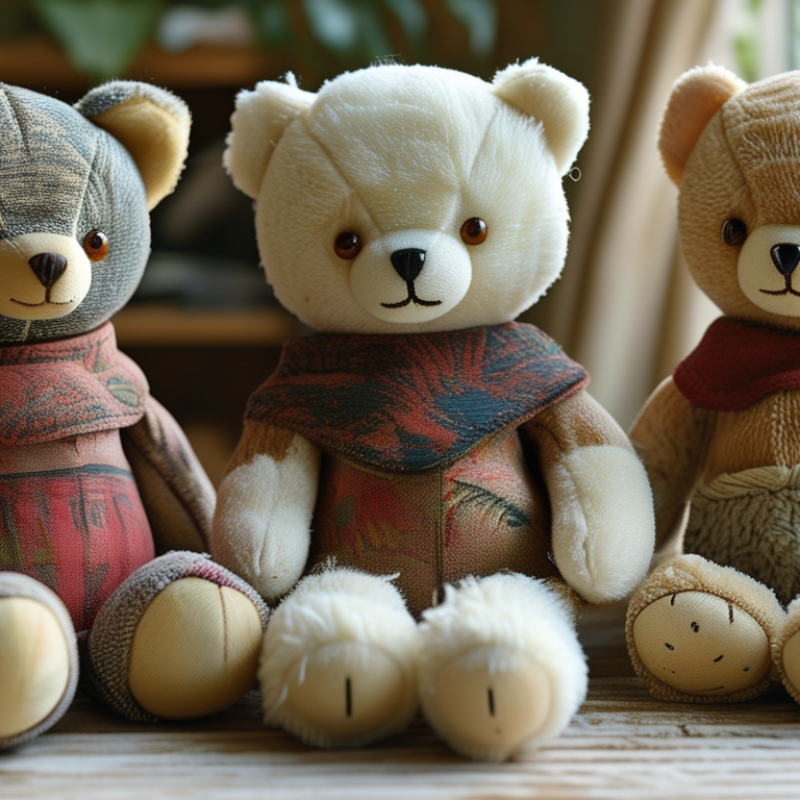
Understanding the Composition of Plush Toys for Safe Cleaning
Understanding the composition of plush toys is crucial for safe cleaning. Most plush toys are made from synthetic fibers like polyester or acrylic. These materials are generally durable but can be sensitive to heat and harsh chemicals. Knowing what your toy is made of allows you to choose the right cleaning method while preserving its softness and appearance.
When cleaning plush toys, always test small areas first. Use mild detergents and cold water to avoid damage. A gentle cycle in the washing machine might be safe, but hand-washing is often preferable. For delicate toys, consider using a soft brush for spot cleaning. Avoid bleach and fabric softeners, as these can degrade fabrics over time.
Tips:
1. Air-dry plush toys instead of using the dryer. This prevents melting and shrinking.
2. Regularly vacuum toys to remove dust and allergens. This keeps them looking fresh.
3. Store plush toys in a cool, dry place. Moist environments can promote mold growth.
Determining the Best Washing Method Based on Size and Material
When washing plush toys, it’s crucial to consider their size and material. For smaller plush toys, most can be safely washed in a machine. Use a gentle setting and a laundry bag to protect them.
For larger or bulkier items, hand washing may be a better option. Soak them in warm soapy water, gently scrubbing with your hands. Rinse thoroughly to avoid soap residue.
Materials also play a significant role in the washing method. Toys made of cotton or polyester are typically machine washable. However, those with delicate features or embellishments may need special care. Avoid harsh detergents, which can fade colors or damage fabric. If a toy has electronics or battery compartments, always check the washing instructions before proceeding. Ignoring this can lead to irreversible damage and disappointment.
Consider the toy's condition before washing. Stains can sometimes be treated with a spot cleaner or by hand, saving the whole washing process. Over time, repeated washing can wear down plush toys. Reflect on the care they need; some might prefer the gentle touch of hand washing to machine cycles. Each plush toy tells a story, and maintaining their charm requires thoughtful attention.
Essential Tools and Ingredients for Washing Plush Toys Effectively
When washing plush toys, having the right tools and ingredients is crucial. Start with a gentle detergent. Look for one that is hypoallergenic and free of harsh chemicals. This ensures safety for both children and pets. A soft brush can also be useful. It helps in reaching into seams and crevices where dirt may hide.
Warm water is effective for cleaning. Fill a basin with lukewarm water and add the detergent. Swirl it gently to mix. Avoid hot water as it can damage the toy’s fibers. A mesh laundry bag is a smart option when washing plush toys in a washing machine. It minimizes friction and keeps the toys from losing their shape. Don’t forget a towel for drying. Lay the toy flat and reshape it while damp to prevent any distortion.
While some toys can be washed, others may require spot cleaning. Always check for manufacturer guidelines. This will help prevent unwanted wear. Reflections are important. If a toy looks worn, perhaps it's time to consider a more delicate approach. Being gentle maintains the toy's charm while keeping it clean.
Step-by-Step Guide: Hand Washing Plush Toys with Care
Cleaning plush toys by hand can be a delicate process. It's essential to protect their fabric and stuffing. Start by inspecting the toy for any loose parts. Remove accessories like buttons or clothes if possible. This helps prevent damage during washing.
Fill a basin with cool water and add a mild detergent. Submerge the plush toy gently. Use your hands to work the soapy water into the fabric. Pay special attention to stained areas. Rinse thoroughly with clean water until no soap remains. Squeeze out excess water without wringing the toy.
Next, lay the toy flat on a clean towel. Avoid hanging it to dry, as this can distort its shape. Let it air dry in a shaded area, away from direct sunlight. This helps maintain the toy’s color and texture. Remember, every plush is different. If something feels off during the washing process, reconsider your approach. It's okay to learn from mistakes, as long as your plush toy stays safe and clean.
Tips for Drying and Maintaining Shape After Washing Plush Toys
After washing plush toys, drying them properly is crucial. Use a towel to absorb excess water before air drying. Lay the plush toy flat on the towel. This helps it keep its shape. Turning the toy occasionally allows even drying. Avoid hanging it on a line; this can stretch the fabric or deform the stuffing.
Maintaining shape is just as important. If the toy has a complex structure, consider reshaping it gently as it dries. For smaller items, a dryer on a low setting can be effective. However, it's essential to protect any delicate features. Place the toy in a mesh bag to avoid tangling. This method can help maintain its plushness.
Regular maintenance is vital too. Brush the fur gently when dry to restore its softness. Spot clean stains promptly to prevent dirt build-up. Inspect the seams for wear. Sometimes, toys get damaged during washing or drying. Reflecting on these moments will help improve future care routines. Remember, every plush toy is unique, and their care may vary.
10 Best Ways to Wash Plush Toys Without Damaging Them
| Method |
Description |
Drying Tips |
Shape Maintenance |
| Hand Washing |
Use lukewarm water and a gentle detergent. |
Air dry on a flat surface. |
Gently reshape while damp. |
| Machine Wash |
Use a mesh laundry bag and a gentle cycle. |
Tumble dry on low heat. |
Shake and fluff immediately after drying. |
| Spot Cleaning |
Use a damp cloth with mild detergent. |
Let air dry completely before using. |
Do not rub harshly to avoid damage. |
| Dry Cleaning |
Professional service for delicate toys. |
Follow one-day processing for best results. |
Refrain from squeezing or twisting. |
| Using a Bathtub |
Fill with water and soak plush with gentle shampoo. |
Lay flat on a towel to soak up excess water. |
Put back into shape while wet. |
| Using Baking Soda |
Sprinkle on dry plush, let sit, then vacuum. |
No drying required. |
Maintains fluff and freshens up. |
| Frozen Cleaning |
Seal in a bag and freeze to kill germs. |
No drying needed post-freezing. |
Minimal shape alteration. |
| Using Vinegar |
Dilute with water for deodorizing. |
Air dry away from direct sun. |
Helps keep the texture intact. |
| Essential Oils |
Add a few drops during cleaning for scent. |
Dry indoors for fragrant plush. |
Can help maintain fluffiness. |
| Regular Maintenance |
Regularly brush or shake out lint and dirt. |
Keep away from moisture when storing. |
Preserves original shape and feel. |
Conclusion
Washing plush toys can be a delicate task, but knowing how to wash plush toys without damaging them is essential for maintaining their softness and shape. The first step is to understand the composition of the toys, which helps in selecting appropriate cleaning methods based on their size and material. Different plush toys require different washing techniques, whether it's gentle hand washing or machine washing.
Equipping yourself with the right tools and ingredients can greatly enhance the washing process. A detailed step-by-step guide for hand washing plush toys ensures that they are cleaned thoroughly yet gently. Finally, proper drying techniques are critical to preserve their shape and fluffiness after washing. By following these guidelines, you can effectively clean your plush toys while keeping them safe and intact.

 Petto Toys
