What Materials Are Best for Soft Toys Made from?

Time:2026-09-03 Author:Aria
0%

When considering what materials are best for soft toys, various factors come into play. Parents often seek comfort, safety, and durability. The choice of fabric and filling affects a toy’s overall appeal. Soft toys made from high-quality materials can provide years of joy for children.

Cotton is a popular choice, known for its softness and breathability. However, synthetic fibers can offer different benefits, such as resilience and colorfastness. Understanding what materials are best for soft toys helps ensure safety for kids and satisfaction for parents.

There are concerns about allergies and toxic substances, making material selection crucial. Each type of fabric presents unique properties but also potential drawbacks. For instance, plush materials can be inviting but may harbor dust mites. It’s essential to balance comfort with practicality when selecting soft toy materials. This awareness leads to better choices for both playful adventures and peace of mind.
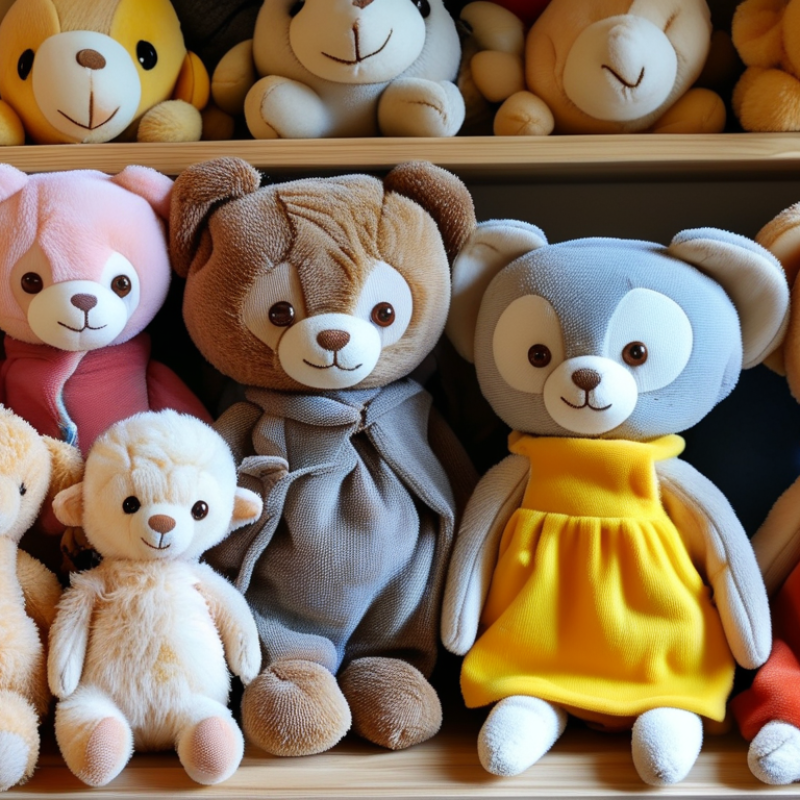
What Materials Are Best for Soft Toys Made from?

Types of Fabrics Commonly Used in Soft Toy Manufacturing

When it comes to soft toys, the choice of fabric plays a critical role. Plush materials are a popular option. They provide a soft and inviting texture. Fabrics like fleece and velveteen are equally favored. These materials are not only soft but also durable, making them suitable for frequent cuddling. Cotton is another common choice. It is breathable and hypoallergenic, ensuring safety for children's sensitive skin.

Each fabric type comes with its own set of characteristics. For instance, fleece is lightweight and warm. It offers a cozy feel that many children adore. However, it can attract lint and dirt, requiring careful maintenance. Velveteen, on the other hand, has a lovely sheen. It gives toys a more luxurious appearance but may be less forgiving when it comes to cleaning.

In the world of soft toy manufacturing, the importance of fabric safety cannot be overlooked. Non-toxic materials are a must. Toys often end up in children's mouths, so ensuring the fabric is safe is priority number one. While synthetic materials offer durability, they may raise concerns about safety. Many manufacturers now focus on blends that balance comfort with safety. Each choice impacts not just aesthetics, but also the toy's longevity and safety for kids.

Safety Considerations for Materials in Soft Toys

When choosing materials for soft toys, safety is a critical concern. Many parents prioritize materials that are non-toxic and hypoallergenic. Fabrics like organic cotton are excellent choices. They are soft against a child’s skin and free from harmful chemicals. However, not all organic materials are made equally. It’s vital to check certification to ensure a product meets safety standards.

Synthetic materials can also be safe if they are tested. For instance, polyester or nylon often meet strict safety regulations. Yet, some synthetic fabrics may contain harmful additives. Reading labels is essential for identifying any potential risks. Look for soft toys that carry safety certifications, such as ASTM or EN71. These labels indicate that the toy has undergone rigorous testing.

While considering material safety, durability should not be overlooked. Toys that withstand wear and tear typically last longer, providing lasting enjoyment. However, a focus on durability can sometimes compromise softness. Balancing softness and safety with durability can be challenging. Each decision may have trade-offs that require careful reflection. Ultimately, the right material choice plays a crucial role in a child’s play experience.

Best Materials for Soft Toys

This chart displays the safety ratings of various materials commonly used in soft toys. Higher ratings indicate better safety considerations, which are crucial in ensuring children's safety while playing with these toys.

Environmental Impact of Soft Toy Materials

When discussing soft toy materials, the environmental impact of these choices is significant. Common materials include cotton, polyester, and even synthetic fibers. Cotton is biodegradable and often sourced through sustainable farming. However, conventional cotton farming uses a lot of water and chemicals. This can lead to soil degradation and pollution.

On the other hand, synthetic materials like polyester are durable and cost-effective. Yet, they are petroleum-based and contribute to plastic pollution. These fibers can take hundreds of years to break down. While they provide practical benefits, they pose a long-term environmental threat.

Recycled materials are emerging as a viable option. They reduce waste and minimize the need for new resources. However, many consumers remain unaware of the processing involved in turning waste into new toys. There's a need for greater transparency in the industry. This ensures that parents can make informed choices that balance safety, comfort, and sustainability.

Maintenance and Care Tips for Different Soft Toy Fabrics

Soft toys are cherished by children and adults alike. Their fabrics often vary, which affects their care needs. For plush toys made of cotton, regular washing in cold water is suitable to remove dirt. Cotton can shrink or distort, so air drying is ideal. According to a 2021 survey by the Fabric Care Institute, 70% of users prefer easy-care fabrics.

Synthetic materials like polyester are popular for their durability and color retention. However, they can accumulate static and dust. To maintain these toys, a gentle cycle in the washing machine is advisable, followed by low heat when tumble drying. The American Association of Textile Chemists reports that polyester items generally last longer when properly maintained.

For delicate materials, like silk or velour, hand washing is often necessary. Using mild detergents preserves softness and prevents damage. A significant 65% of parents acknowledge that care routines can prolong the life of soft toys. A thoughtful approach to maintenance not only keeps these treasured items looking their best but also ensures safety for children, who often hug or play with them daily.

Innovative Materials in the Soft Toy Industry

The soft toy industry is evolving, finding innovative materials to enhance safety and comfort. Organic cotton is gaining popularity for its natural feel and hypoallergenic properties. This option is gentle on the skin, making it ideal for babies and children. Furthermore, recycled polyester is becoming a strong contender due to its sustainability. It helps reduce plastic waste while maintaining durability and softness.

Manufacturers are experimenting with alternative materials too. Biodegradable options are emerging, appealing to eco-conscious consumers. These materials are designed to break down over time, addressing environmental concerns. However, the challenge lies in balancing durability with environmental impact. Some of these materials may not withstand rough play, leading to quicker wear and tear.

Moreover, innovations in textile technology are reshaping soft toys. Fabrics infused with natural antibacterial properties are on the rise. These materials help prevent the growth of bacteria, providing an additional layer of safety. Yet, not all advancements guarantee superior comfort. It is essential to research and consider user experiences when choosing the best material for soft toys.

What Materials Are Best for Soft Toys Made from? - Innovative Materials in the Soft Toy Industry

Material Type Properties Common Uses Sustainability
Plush Fabric Soft, cuddly, durable Stuffed animals, dolls Varies by manufacturing process
Organic Cotton Hypoallergenic, breathable Children’s toys, baby items Highly sustainable, biodegradable
Recycled Polyester Lightweight, water-resistant Stuffed toys, plush backpacks Eco-friendly, reduces plastic waste
Bamboo Fiber Antimicrobial, soft Baby toys, sensory items Sustainable, quick-growing resource
Non-toxic Fillers Safe, lightweight Stuffed animals, plush toys Varies, search for certified materials

FAQS

: How should I wash soft toys made of cotton?

: Use cold water and regular washing cycles. Air drying is best to prevent shrinkage.

What is the ideal way to care for polyester soft toys?

Wash on a gentle cycle. Tumble dry on low heat to maintain their quality and color.

Can I wash delicate soft toys made of silk?

Yes, but hand wash them with mild detergent to avoid damage.

How can I prolong the life of my soft toys?

Establish a regular care routine. About 65% of parents believe maintenance helps significantly.

Are there eco-friendly materials for soft toys?

Yes, organic cotton and recycled polyester are increasingly popular. They offer safety and sustainability.

What are biodegradable materials in soft toys?

These materials break down over time but may wear out faster with rough play.

Do all innovative materials provide comfort for soft toys?

Not necessarily. Research user experiences to ensure comfort along with safety.

Why might some materials not last as long?

Balancing durability and environmental concerns can lead to quicker wear and tear.

Is there a way to prevent bacteria in soft toys?

Fabrics infused with natural antibacterial properties can help keep them safer for kids.

What do parents prefer when choosing soft toy fabrics?

Many prefer easy-care fabrics due to practicality and maintenance concerns.

Conclusion

When considering what materials are best for soft toys, several factors come into play, including the types of fabrics commonly used in manufacturing. Materials such as cotton, polyester, and various blends are prevalent, each offering unique textures and durability. Safety is paramount, so it’s essential to choose materials that meet safety standards and are free from harmful substances. Additionally, the environmental impact of these materials is increasingly significant, prompting manufacturers to explore sustainable options.

Maintenance and care tips for different soft toy fabrics are crucial for ensuring longevity and hygiene, especially for toys meant for children. With innovation driving the industry, new materials are emerging that not only enhance softness and safety but also reduce environmental footprints. Understanding these aspects can help consumers make informed decisions about the best materials for soft toys.

Aria

Aria

Aria is a dedicated marketing professional with a deep passion for innovative strategies and a keen understanding of our company's product offerings. With a wealth of experience in the industry, Aria excels at crafting engaging content that highlights the unique features and benefits of our......