The phenomenon of adults collecting plush toys raises intriguing questions. Why do adults collect plush toys? This behavior often stems from nostalgia and emotional connections. Plush toys serve as a comforting reminder of childhood and simpler times. They provide joy and warmth in a world that can sometimes feel overwhelming.
Additionally, collecting plush toys can be a unique form of self-expression. Many adults appreciate the artistry and craftsmanship involved in creating these items. Some collectors are drawn to specific themes or brands, creating a personal narrative through their collection. However, not all motivations are pure. Some may reflect an escapism from adult responsibilities.
The trend of adult plush toy collecting also sparks debate. Critics may view it as childish or impractical, while supporters argue it promotes mental wellness. Ultimately, understanding why adults collect plush toys requires a nuanced perspective. Each collection tells a story, a blend of personal history and societal influence.
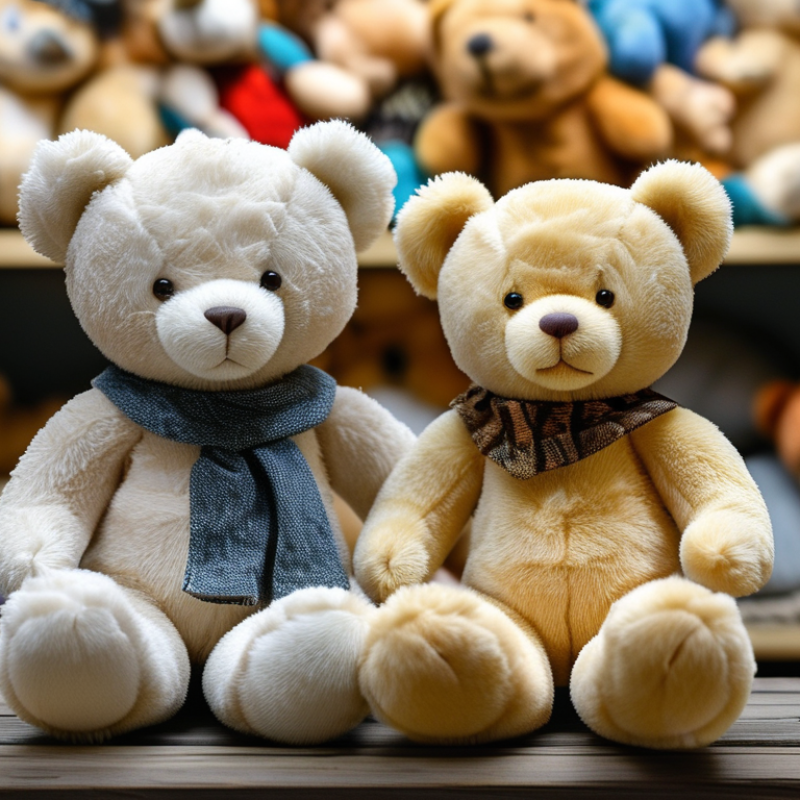
The allure of plush toy collecting for adults often lies in nostalgia. Many adults remember the comfort and simplicity of childhood. Plush toys evoke warm memories, providing a sense of security and emotional connection. This psychological aspect creates a comforting space in a chaotic world.
Collecting has its nuances. Some adults seek to complete specific sets, while others cherish unique pieces. This pursuit fosters a community. Online forums and local meetups allow collectors to share their love. Connecting with others who appreciate the same hobby adds to the joy.
Tips for collectors: Start with themes you love. Whether it's animals, movies, or colors, focus your collection. This makes it personal and meaningful. Keep your collection organized. Displaying your plush toys creatively enhances enjoyment. Finally, don’t hesitate to reflect on your choices. Every collection tells a story, even the ones that don't fit conventional norms. Embrace the imperfections; they make your collection unique.
Plush toys have become a unique avenue for adults to express their emotions. Many adults find comfort in these soft figures, often associating them with childhood innocence and nostalgia. This connection can be therapeutic. It offers a safe space for adults to explore their feelings. The tactile nature of plush toys can evoke memories, serving as a bridge to happier times.
Cultural significance plays a big role in this trend. In many societies, plush toys symbolize affection, care, and comfort. Collecting them is often seen as a way to maintain a sense of joy in stressful adult life. Some adults create elaborate displays at home, turning their collections into a personal sanctuary. These practices reflect a cultural shift where adult play and whimsy are more accepted.
However, collecting plush toys can also ignite discussions about maturity and responsibility. Some peers may view this interest as a lack of seriousness. This societal judgment can lead to inner conflict for the collector. Balancing personal passion with external perceptions poses an ongoing challenge. Such reflective moments make the act of collecting more than just a hobby; it transforms into a personal journey.
The plush toy industry is experiencing significant growth among adult collectors.
According to a recent market report, the global plush toy market was valued at approximately $12 billion in 2021
and is expected to expand at a CAGR of around 5% over the next five years. This trend highlights a rising nostalgia among adults.
Many find comfort in collecting plush toys, harking back to simpler times in childhood.
Importantly, adults are not just passive collectors. They actively engage in online communities, share their collections on social media,
and participate in events dedicated to plush toys. Survey data indicates that 70% of adult collectors feel a strong emotional connection
to their plush toys. This emotional aspect reinforces the market's growth. Interestingly, collectors sometimes reflect on the implications of
their hobby. Are they simply indulging in nostalgia, or are they avoiding deeper issues through this collection?
The industry is seeing innovative designs targeting adults, such as plush toys inspired by pop culture. A study from a leading trend analysis firm suggests
that 45% of adult buyers are influenced by limited edition releases. This finding indicates a merging of collectibility with consumer culture.
However, some collectors face space issues and financial concerns, prompting reflection on their purchasing habits. The plush toy market is not just about
toys; it encompasses emotions, communities, and
personal narratives.
Nostalgia plays a powerful role in the adult plush toy collecting phenomenon. Many adults turn to plush toys as a means of reconnecting with simpler times from their childhood. According to industry reports, about 30% of adult collectors cite nostalgia as their primary motivation for buying plush figures. These toys evoke cherished memories and a sense of comfort, often providing a soothing escape from the stresses of daily life.
The emotional impact of these toys is significant. Plush toys often represent specific characters or franchises that made an impression in childhood. A study by the Toy Association indicated that 45% of adults collect plush toys related to their favorite childhood cartoons. This connection reinforces brand loyalty while creating a community among collectors. The presence of these toys can provide a sense of security and happiness, granting adults the freedom to embrace their inner child.
However, not all motivations are rooted in happiness. Some collectors might struggle with the anxiety of keeping their collection intact or worry about social judgment. Balancing these feelings can lead to self-reflection. Trends show that while many find joy in their collections, a small percentage express a need to confront their attachment to these items. Collecting, though fulfilling, can sometimes spiral into a compulsive behavior, prompting the need for mindful evaluation of one's habits.
| Dimension | Data |
|---|---|
| Age Range of Collectors | 25-40 years old |
| Primary Motivation for Collecting | Nostalgia |
| Most Popular Plush Toy Types | Cartoon Characters, Fantasy Creatures |
| Average Budget per Collector | $200 - $500 annually |
| Percentage of Collectors Who Share Online | 60% |
| Most Common Collection Size | 50-100 plush toys |
Plush toy collecting is more than just a hobby; it fosters a vibrant community. Adults bond over shared interests, attending conventions and online forums. Social media platforms are filled with groups dedicated to plush toys. These spaces allow collectors to showcase their collections, share tips, and connect. The joy of collecting often stems from these interactions.
Community support helps collectors feel validated. Sharing experiences can inspire deeper connections. Many find solace in discussing their favorite plush designs or rare finds. It encourages collectors to curate unique displays. Some even host local meetups for swapping toys and storytelling. These gatherings build friendships that extend beyond the plush universe.
**Tips:** Start by joining online communities. They can enhance your experience. Attend local events; they allow for face-to-face interaction. Don’t hesitate to share your collection online. It may attract like-minded individuals. Embrace the imperfections in your collecting journey. Every toy has a story, and so do you.
This chart displays the reasons adults collect plush toys, showcasing the community and social aspects of this activity.
: Many adults collect plush toys due to nostalgia, evoking childhood memories and emotional connections.
Collectors share their passion through online forums and local meetups, enriching their experiences together.
Starting with themes that resonate, like animals or colors, makes collections more personal and meaningful.
Yes, plush toys offer comfort and a safe space for adults to express and explore their emotions.
Plush toys symbolize affection and comfort, reflecting adult play's acceptance in modern society.
Some may face judgment about their hobby, leading to inner conflicts about maturity and responsibility.
While nostalgia drives many, some collectors may also struggle with anxiety and judgment related to their collections.
Evaluating attachment to plush toys can help prevent compulsive collecting, encouraging mindful habits.
Creative displays enhance enjoyment, turning collections into personal sanctuaries within their homes.
Not everyone finds joy; some feel pressure and anxiety about maintaining their collections.
The article "Why Do Adults Collect Plush Toys: Insights and Trends" explores the multifaceted motivations behind the growing trend of adult plush toy collecting. It delves into the psychology behind this hobby, highlighting how items that evoke comfort and familiarity can fulfill emotional needs. Nostalgia plays a significant role, as many collectors are drawn to plush toys reminiscent of their childhood, providing a sense of security and joy in a sometimes chaotic adult life.
Furthermore, the article examines the cultural significance of plush toys in adulthood, demonstrating how they increasingly represent self-expression and individuality. As market trends evolve, more adults are engaging in this collectible phenomenon, which not only offers a personal escape but also fosters community and social connections among like-minded enthusiasts. Ultimately, these insights elucidate why do adults collect plush toys, unveiling a richer understanding of this unique aspect of adult life.

Petto Toys